Stocked, Equipped, and Ready to Roll: What's Actually Inside a Mobile Urgent Care Unit
Stocked, Equipped, and Ready to Roll: What's Actually Inside a Mobile Urgent Care Unit
There's a mental image a lot of people carry around when they hear "mobile clinic." Something stripped down. Maybe a folding table, a box of latex gloves, and a nurse with a stethoscope doing her best with limited resources. It's understandable — the word mobile tends to suggest compromise.
But that picture is outdated, and honestly, it's doing a disservice to a form of care that has quietly become one of the most clinically capable options available for non-emergency medical needs. Modern mobile urgent care units aren't makeshift setups. They're purpose-built, thoughtfully stocked, and designed to handle a wide range of conditions right there on the spot — whether that's in a parking lot, a neighborhood street corner, or outside your office building.
So let's open the doors and take a real look at what's inside.
Rapid Diagnostics: The Tests That Get You Answers Fast
One of the biggest concerns people have about curbside care is whether they'll actually walk away knowing something. Good news: rapid testing is one area where mobile units genuinely shine.
Most well-equipped mobile urgent care units carry rapid flu tests (including flu A and B differentiation), strep throat swabs, COVID-19 antigen tests, and urinalysis test strips for detecting UTIs. Many units also stock mono tests, which are a common need that often gets overlooked until someone's been exhausted and sore-throated for two weeks.
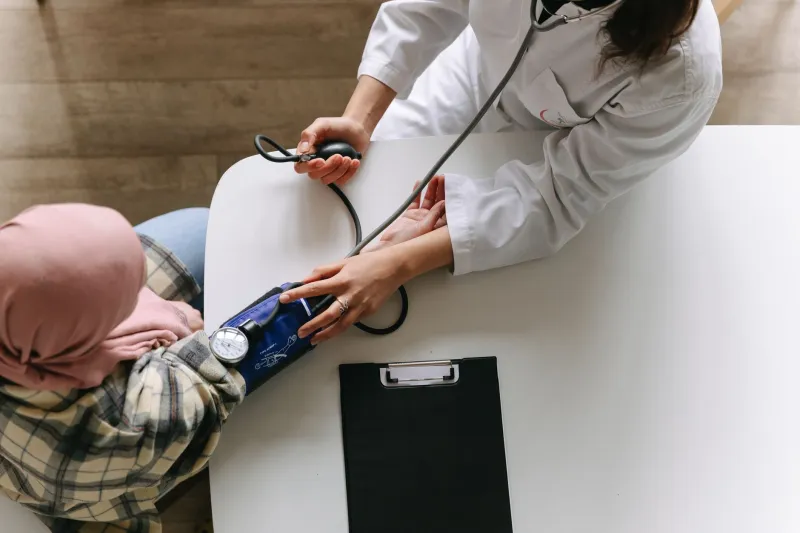
Beyond infection testing, you'll typically find blood glucose monitoring equipment for checking blood sugar on the spot — crucial for diabetic patients or anyone presenting with symptoms that might point to a glucose issue. Some units carry pulse oximeters, EKG capability, and even portable ultrasound devices, depending on the operator and the scope of services offered.
Results from rapid tests generally come back in 10 to 20 minutes, which means by the time you've answered a few questions and had a quick exam, your provider likely already has something concrete to work with.
Medications: More Than Just Tylenol and a Bandage
This is where a lot of skeptics get genuinely surprised. Mobile urgent care units aren't just handing out ibuprofen samples. Many units are stocked with a formulary — a curated list of medications — that covers the most common acute care scenarios providers encounter.
Expect to find oral antibiotics like amoxicillin, azithromycin, and doxycycline for treating conditions such as strep throat, sinus infections, ear infections, and certain skin infections. Antiviral medications, including oseltamivir (Tamiflu), are often on hand for flu cases — and getting that prescription filled and dispensed at the same stop is a meaningful convenience when you're already feeling terrible.
For allergic reactions that don't require an ER, many units carry antihistamines, oral corticosteroids, and epinephrine auto-injectors. Nausea? Ondansetron (Zofran) is a common addition. Pain management options, including NSAIDs and non-opioid analgesics, are typically available as well.
Some mobile units are also equipped to administer intramuscular injections — think steroid shots for severe allergic reactions or ketorolac for pain — and a growing number carry IV fluids for dehydration cases, which is more common than you'd think, especially in summer months or after a bad stomach bug.
Wound Care and Minor Procedures
Cuts happen. So do burns, sprains, and the occasional object that needs to come out of somewhere it shouldn't be.
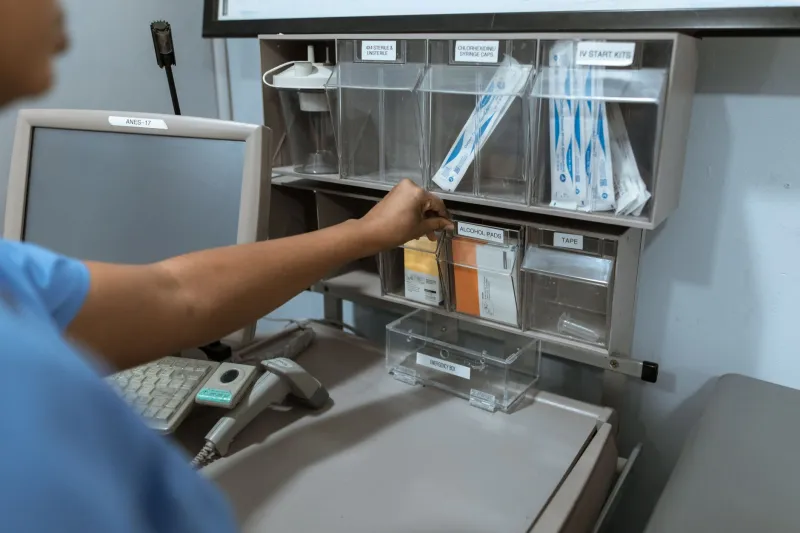
A properly outfitted mobile unit will carry wound care supplies including sterile saline for irrigation, various gauze and dressing options, skin staples, suture kits, and dermabond (skin glue) for lacerations that need closure. Splinting materials for minor fractures or sprains are also standard, along with the supplies needed to properly immobilize an injury until a follow-up can be arranged.
For infections or abscesses that need drainage, some units carry the tools for incision and drainage procedures — a minor procedure that, done promptly, can prevent a skin infection from becoming a much bigger problem.
Respiratory and Cardiac Monitoring
Breathing problems and chest symptoms are serious, and while a mobile unit isn't a substitute for an emergency room when things are truly critical, having monitoring capability on board matters.
Many units carry nebulizers for administering bronchodilators to patients experiencing asthma flares or reactive airway symptoms. Oxygen supplementation equipment is typically on board as well. For cardiac monitoring, 12-lead EKG machines allow providers to assess heart rhythm and flag anything that warrants an urgent referral or transfer.
This matters because sometimes patients show up at a mobile clinic with chest tightness or shortness of breath that could be anxiety, could be a mild asthma flare, or could be something more serious. Having the tools to triage that correctly is the difference between sending someone home with reassurance and making sure they get to an ER in time.
What Mobile Clinics Can't Do — And Why That's Okay
It's worth being straightforward here: mobile urgent care isn't everything. It's not a trauma center. It's not a surgical suite. If you're having a heart attack, a stroke, or a serious injury, you need 911 and an emergency room, full stop.
Mobile units also typically don't offer in-house imaging like X-rays or CT scans, though some operators have added portable X-ray capability, and providers can order imaging at nearby facilities when needed. Lab work requiring a full blood panel usually gets sent out to a reference lab, with results following up digitally.
But here's the thing — the vast majority of reasons Americans visit urgent care don't require any of that. Respiratory infections, UTIs, ear infections, minor injuries, allergic reactions, medication refills, flu symptoms: these are the everyday conditions that fill waiting rooms across the country, and mobile clinics are built to handle exactly that category of care.
The Bottom Line
A mobile urgent care unit isn't a fallback option for people who can't get a "real" appointment. It's a legitimate, well-equipped point of care designed to meet you where you are — literally. The medications are real, the tests are clinically validated, and the providers are licensed professionals working within a proper scope of practice.
Next time you spot a mobile clinic parked nearby and wonder whether it's worth walking over, the answer — for most everyday health concerns — is yes. The medicine cabinet on wheels is a lot more stocked than you think.