When Your Kid Wakes Up Sick on a Tuesday and You Have a 9 AM Call
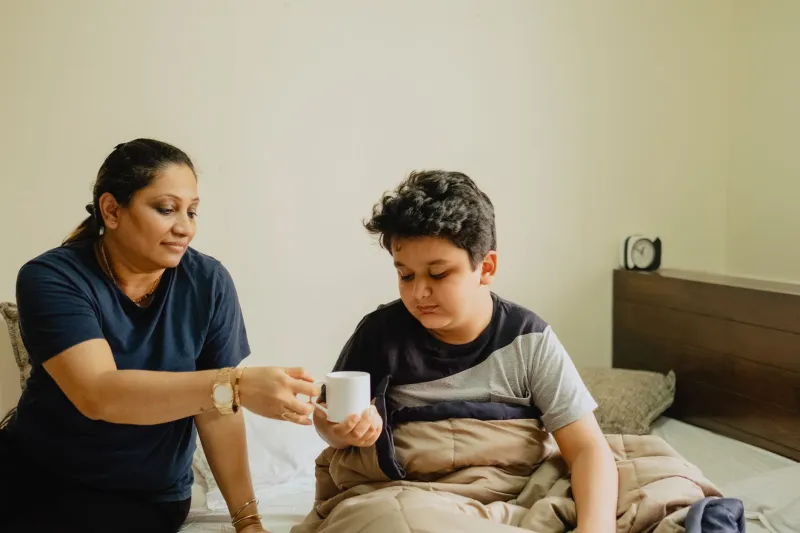
It starts before your alarm goes off. You hear the shuffle down the hallway, feel the small hand on your arm, and then — that forehead. Hot. Too hot. You're already doing the math before you're fully awake.
Who's presenting at the 9 AM? Can your partner leave work? Is the pediatrician even open yet? Do you call the school? Did you use your last sick day in March?
For millions of American working parents, this is not a hypothetical. It's a Tuesday. And it's brutal.
The Impossible Equation Nobody Talks About
There's a particular kind of stress that comes with being both a responsible parent and a functioning professional — and it gets loudest when your child gets sick on a weekday. It's not just about logistics, though those are genuinely hard. It's the guilt of mentally calculating whether you can afford to stay home. It's the shame of wondering, even for a second, whether your kid is really sick or just a little off. It's the career anxiety of being the person who disappears from Slack at 7 AM with no warning.
Most parents soldier through it. They call in, lose the day, sit in a waiting room for two hours, and spend the rest of the week catching up on everything that piled up. Others send a mildly sick kid to school anyway, cross their fingers, and feel terrible about it until pickup.
Neither option feels good. And honestly, neither one should be the only option.
What Changes When Care Comes to You
Mobile and curbside urgent care doesn't fix the fact that your kid is sick. But it does something that a traditional clinic visit can't: it compresses the chaos.
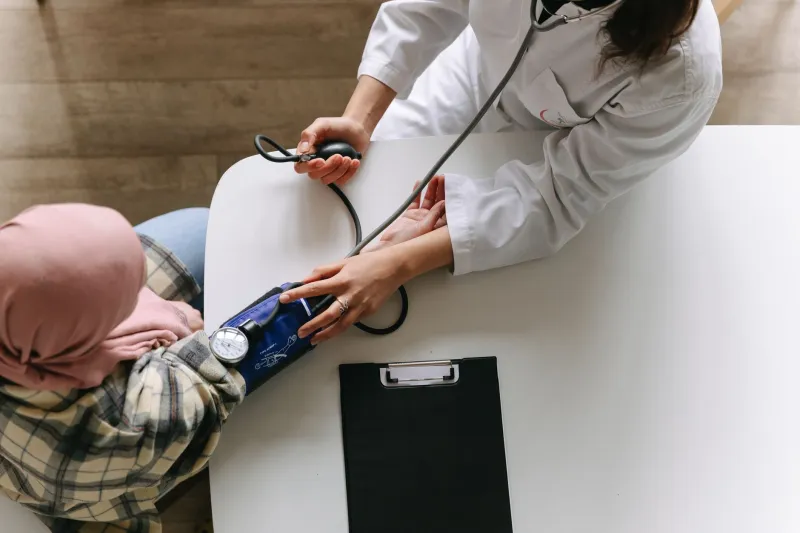
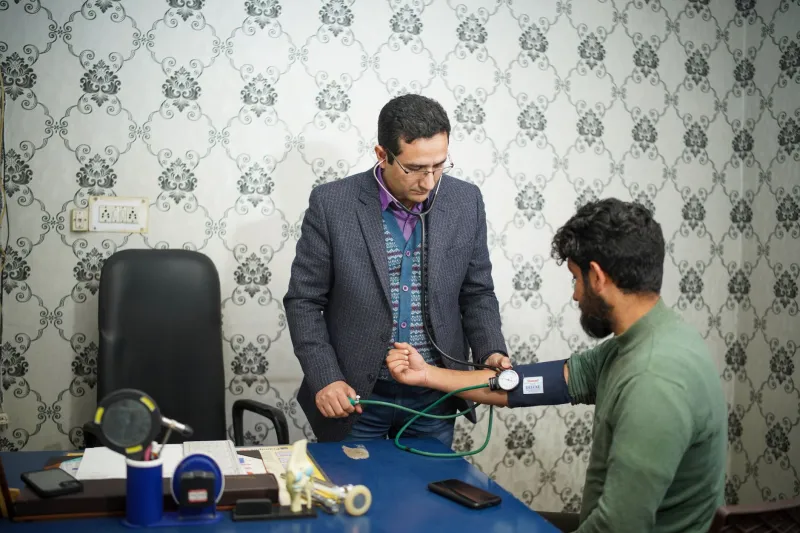
Instead of getting everyone dressed, loading a feverish child into a car seat, driving across town, finding parking, sitting in a waiting room next to other sick kids, and finally seeing someone 90 minutes after you walked in — you step outside. Or someone comes to you. The evaluation happens. You get answers. You go back inside.
For a lot of parents, that difference is enormous.
Take a scenario that plays out constantly in cities across the country: a seven-year-old wakes up complaining of a sore throat and ear pain on a Wednesday morning. Mom has a client presentation at 10. Dad is already on a job site. The pediatrician's earliest opening is 2 PM. The nearest urgent care has a posted wait time of 55 minutes.
A mobile clinic parked two blocks away? Available in 20 minutes. The kid gets checked, strep is ruled out, it's likely viral, and they're back on the couch with a juice box before 8:30. Mom makes her meeting. Dad doesn't have to leave the site. Everyone breathes.
That's not a miracle. That's just access.
The Conditions That Send Parents Scrambling
Not every sick-kid situation is a true emergency — but that doesn't make it feel any less urgent when you're standing in your kitchen in pajamas trying to figure out what to do. Mobile and curbside clinics are well-equipped to handle the most common culprits that knock kids out of school mid-week:
- Ear infections — painful, common, and almost always treatable with a quick look and a prescription
- Strep throat — a rapid test takes minutes, and knowing either way matters
- Pink eye — contagious enough to keep kids home, but easy to assess and treat
- Fever without an obvious cause — sometimes you just need a provider to look the child over and tell you what you're dealing with
- Minor rashes or allergic reactions — often alarming-looking but manageable with the right guidance
- Stomach bugs with concerning symptoms — dehydration checks, basic guidance, peace of mind
None of these require an ER. Most don't even require a full clinic visit. They require a competent provider, a few minutes, and the right tools — all of which a well-run mobile unit brings directly to you.
The Guilt Is Real. So Is the Pressure.
It's worth saying out loud: the reason this matters so much isn't just convenience. It's that working parents — especially those without flexible jobs, unlimited PTO, or a backup caregiver — are operating in a system that wasn't really built for them.
The standard model of healthcare assumes you have time. Time to schedule ahead, time to wait, time to take half a day off without consequence. For a lot of people, that assumption is just wrong. Single parents, hourly workers, people in jobs where absence is noticed — they face real stakes when a kid gets sick unexpectedly.
Mobile urgent care doesn't solve systemic problems in childcare or workplace flexibility. But it does reduce the friction at a moment when friction is genuinely costly. Getting an answer in 25 minutes instead of three hours isn't just convenient — it's the difference between a manageable morning and a day that unravels everything.
A Few Things Worth Knowing Before You Need It
If you're a parent who hasn't looked into mobile or curbside urgent care yet, it's worth doing a little research before the next sick morning hits — because that morning is coming, and 6:47 AM is not the time to figure out your options.
A few practical notes:
Check age ranges. Most mobile urgent care providers see pediatric patients, but it's worth confirming the minimum age they're comfortable treating.
Know what's in range. Many services operate within specific zip codes or neighborhoods. Find out now whether your address or your workplace is in their coverage area.
Understand what they can and can't do. Mobile clinics are excellent for evaluation, testing, and prescriptions. They're not equipped for X-rays or IV fluids. If your child needs more than an assessment, they'll tell you — and that's valuable information too.
Have your insurance info ready. Most mobile urgent care services accept common insurance plans, but a quick check ahead of time saves stress in the moment.
You're Not Cutting Corners
There's sometimes a nagging feeling that choosing the faster, more convenient option means you're not being a thorough parent. That somehow a real doctor's office would have caught something the mobile provider missed.
That's not really how it works. A qualified provider doing a proper assessment is a qualified provider doing a proper assessment — regardless of whether they're in a building or parked outside your apartment complex. The goal is getting your child seen by someone who knows what they're looking at. Where that happens matters a lot less than whether it happens.
On a sick Tuesday morning, with a feverish kid and a full calendar, getting care quickly and getting it right aren't in conflict. They're the same thing.
And that's exactly what curbside care is built for.