Groceries, Gas, and a Strep Test: One Saturday That Changed How I Think About Seeing a Doctor
Saturday mornings have a rhythm. Coffee. A loose mental list of things to get done before the weekend evaporates. For Maya, a 34-year-old project manager living in Chicago's Logan Square neighborhood, last October's Saturday started exactly like that — except her throat had been quietly bothering her since Thursday, and she'd been doing what most busy adults do: ignoring it and hoping it would sort itself out.
She wasn't dramatically sick. Just... off. That scratchy, swallowing-broken-glass feeling that hovers somewhere between "probably fine" and "definitely not fine." She'd already talked herself out of doing anything about it twice. Who has time to book an appointment, find parking, sit in a waiting room for an hour, and then actually see someone — all on a Saturday?
As it turns out, she didn't need to.
The Van She'd Driven Past a Dozen Times
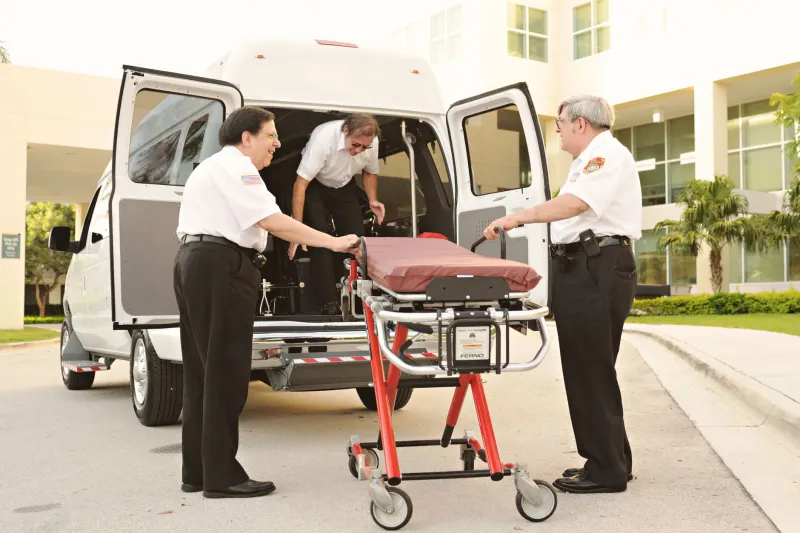
Maya had noticed the mobile clinic parked outside the grocery store on Milwaukee Avenue before. White van, clean signage, a small A-frame sign on the sidewalk listing what they could handle — strep tests, flu shots, minor injuries, blood pressure checks, that kind of thing. She'd filed it away mentally as "useful, someday" and kept walking every time.
This particular Saturday, with her throat staging a low-grade rebellion, "someday" finally arrived.
"I almost didn't stop," she admits. "I thought it would be complicated — like I'd need to have insurance cards ready or fill out a mountain of paperwork. I figured I'd just push through and call my regular doctor on Monday."
Instead, she pulled up the mobile clinic's website on her phone while sitting in the grocery store parking lot. Walk-ins welcome. Average wait: under 15 minutes. She could see real-time availability, right there on her screen. She grabbed her reusable bags, did her shopping, loaded the car — and then walked over.
What Actually Happens Inside
The inside of the clinic was smaller than she expected, but not cramped. Clean surfaces, good lighting, a privacy curtain. A medical assistant greeted her, confirmed her insurance (though they also offered a flat self-pay rate), and handed her a short intake form on a tablet — name, symptoms, how long they'd been going on, any known allergies.
Five minutes, maybe less.
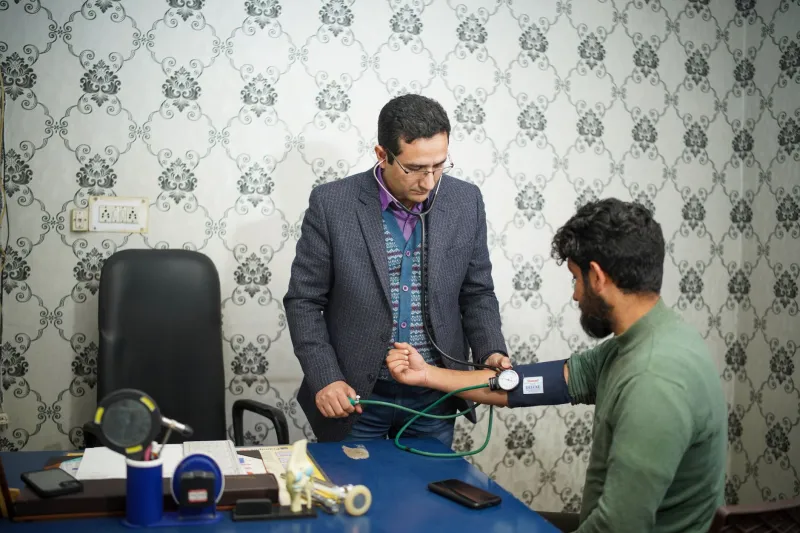
The clinician — a nurse practitioner — came in shortly after. She asked Maya to describe what she was feeling, checked her lymph nodes, looked at her throat, and ran a rapid strep test. The whole interaction felt remarkably... normal. Professional. Unhurried, even, despite happening in what was essentially a converted van in a parking lot.
Ten minutes later, Maya had her answer: positive for strep. A prescription for amoxicillin was sent electronically to the pharmacy two blocks away before she even stepped back outside.
Total time from walking in to walking out: about 25 minutes.
"I still had time to go to the car wash," she says, laughing. "And I picked up my prescription on the way home. The whole thing felt almost too easy. Like I'd been making it harder than it needed to be for years."
The Friction We've Learned to Accept
Maya's story isn't unusual — it's actually the norm. Research consistently shows that one of the biggest barriers to people seeking medical care isn't cost, and it isn't even fear of bad news. It's logistics. The scheduling. The waiting. The time off work. The mental overhead of coordinating an appointment around everything else life demands.
We've collectively normalized a version of healthcare access that requires significant effort to reach, and then we wonder why people wait too long to get checked out.
Strep throat is a good example of why that delay matters. Left untreated, it's not just uncomfortable — it can develop into more serious complications, including rheumatic fever in rare cases. Catching it early with a simple rapid test and a short course of antibiotics is the whole ballgame. But if the path to that test involves taking a half-day off work and navigating a healthcare system that wasn't designed with convenience in mind, a lot of people are going to gamble on "it'll probably go away."
Sometimes it does. Often enough, it doesn't.
Convenience Isn't a Luxury — It's a Health Outcome
Here's the thing that often gets lost in conversations about mobile and urgent care: making healthcare easier to access isn't just a nice perk for busy people. It's a legitimate public health strategy. When the friction drops, earlier intervention goes up. When earlier intervention goes up, outcomes improve.
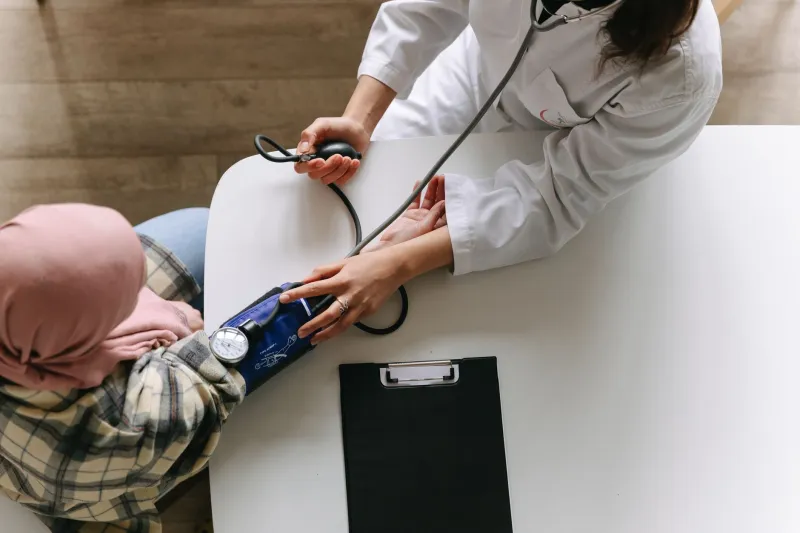
A sore throat caught on Saturday morning is a different story than a sore throat that's been festering for a week because someone couldn't find a convenient window to get seen. A blood pressure check squeezed between errands might catch something that a skipped annual physical would have missed entirely.
Mobile clinics aren't replacing the broader healthcare system — they're filling the gaps that the system leaves open. They show up in neighborhoods where doctor's offices are sparse. They park outside places people are already going. They meet patients at the corner of "I have five minutes" and "I've been meaning to get this looked at."
The Mental Shift That's Worth Making
For Maya, the bigger takeaway wasn't just the diagnosis. It was the realization that she'd been carrying an outdated mental model of what getting medical care looks like.
"I think I still picture going to the doctor as this whole production," she says. "Like it has to be this formal, time-consuming thing. But it doesn't have to be. I got checked out, got a prescription, and was home before noon. That's just... not what I thought healthcare could look like."
That shift — from "healthcare as inconvenient obligation" to "healthcare as something I can actually fit into my life" — is exactly what mobile care is designed to create. Not every health concern can or should be handled curbside. Some things genuinely require a full clinical workup, a specialist, or an ongoing relationship with a primary care provider. But a lot of the everyday stuff that people let slide? That's exactly the kind of thing a well-equipped mobile clinic handles every single day.
So next time you drive past that van in the parking lot and think I should probably get that looked at — maybe this time, you don't keep driving.
Your groceries will wait. Your health might not.