ER, Urgent Care, or the Van Outside? A No-Nonsense Guide to Picking the Right Care
Let's be honest: most people have no real system for deciding where to go when something feels off. You wake up with a fever, or you twist your ankle stepping off a curb, and your first instinct is probably to either Google your symptoms into a spiral of panic or just drive to the nearest ER because it feels like the "safe" choice.
But here's the thing — that default is costing you. The average ER visit in the US runs upward of $1,500, and the average wait time can stretch past two hours even for non-critical issues. Meanwhile, mobile and curbside care options are quietly handling a huge range of conditions faster, closer to home, and for a fraction of the price.
The trick is knowing when curbside care is the right call — and when it genuinely isn't.
Why We Default to the ER (Even When We Shouldn't)
There's a comfort in going to the biggest, most equipped place around. It feels responsible. But emergency rooms are designed — and priced — for emergencies. When you show up with a sinus infection or a sprained wrist, you're not just overpaying; you're also taking up resources that someone in a genuine crisis might need.
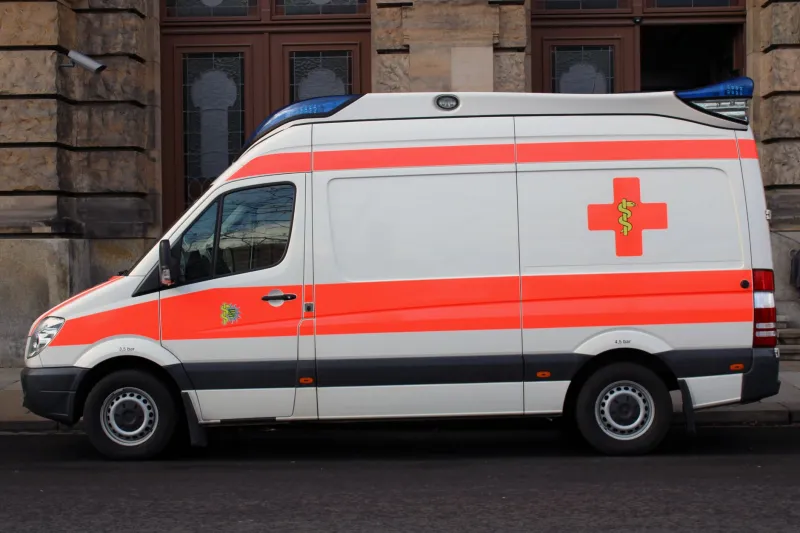
The rise of mobile urgent care has quietly filled a gap that most patients didn't even know existed. These clinics bring diagnostic tools, licensed providers, and treatment capabilities directly to you — parked outside your apartment building, your office, or your neighborhood — without the overhead of a traditional facility. That translates to shorter waits, lower bills, and care that actually fits into your day.
But mobile care isn't a catch-all. Knowing its scope is what makes you a smarter patient.
Scenarios Where Curbside Care Makes Total Sense
You've got a fever, but you're otherwise stable. A temperature under 103°F in a healthy adult, without other alarming symptoms, is something a mobile provider can assess and treat. They can run a flu or strep test on the spot, check your vitals, and get you a prescription if needed — all without you sitting in a waiting room next to someone who's genuinely miserable.
Your kid has an ear infection. Parents, this one's for you. Ear infections are one of the most common reasons kids see a doctor, and they almost never require emergency care. A curbside clinic can examine, diagnose, and prescribe in under 30 minutes. That's a Tuesday afternoon saved.
You cut yourself, but it's not deep. Lacerations that need cleaning, closure strips, or a few stitches? Mobile providers handle that regularly. If the cut is gaping, won't stop bleeding after 10 minutes of pressure, or involves a joint — that's a different story (more on that below).
You think it might be a UTI. Classic symptoms, no fever, otherwise feeling okay? A urine dipstick test and a prescription is a totally reasonable curbside visit. Dragging yourself to an ER for this is genuinely unnecessary.
You need a sports physical, a work physical, or a vaccine. Preventive and administrative health needs are a sweet spot for mobile care. These visits don't need a hospital. They need a licensed provider and a little bit of your time.
You've got a rash that appeared recently. Most rashes — contact dermatitis, mild allergic reactions, early signs of poison ivy — can be evaluated and treated on the spot. A provider can visually assess it, rule out anything serious, and get you relief faster than any ER triage nurse would.
When You Should Skip the Mobile Clinic and Go Straight to the ER
This part matters just as much. Mobile care is powerful, but it has limits — and pretending otherwise would be doing you a disservice.
Chest pain, pressure, or tightness. Always. Even if you're pretty sure it's just stress or heartburn. Cardiac events can mimic a dozen other things, and the stakes are too high to gamble. Call 911 or get to an ER immediately.
Difficulty breathing. Shortness of breath that comes on suddenly, is getting worse, or is paired with chest pain or bluish lips is a 911 situation. Full stop.
Signs of a stroke. Face drooping, arm weakness, speech that sounds slurred or confused — use the FAST acronym and call emergency services. Time is everything with stroke.
Severe abdominal pain. Mild cramping is one thing. Pain that's intense, sudden, or concentrated in one area (especially the lower right side) could signal appendicitis or another surgical emergency.
Head injuries with loss of consciousness. If someone was knocked out, even briefly, or is confused, vomiting, or acting unusual after a head impact, they need imaging and monitoring that only a full ER can provide.
High fever in infants. Any fever in a baby under three months old is a medical emergency. Don't wait, don't hesitate.
Broken bones with visible deformity. A suspected fracture that looks displaced, or involves the spine or pelvis, goes straight to the ER. A simple fracture to a finger or toe? That's a curbside conversation.
The Middle Ground: When Urgent Care Clinics Fill the Gap
It's worth mentioning that traditional urgent care centers still have a role, particularly for things that need on-site imaging (like X-rays for suspected fractures) or procedures that require a more equipped physical space. Mobile clinics vary in their capabilities — some carry portable diagnostics, others are more focused on assessment and prescription — so it's worth knowing what your local curbside provider offers before you need them.
The smartest move? Look up your nearest mobile care option now, before you're sick and stressed and Googling in a panic at midnight.
A Simple Framework to Use in the Moment
When something comes up, run through these three questions:
- Is this life-threatening or potentially life-threatening? Chest pain, stroke symptoms, severe trauma — ER or 911, no debate.
- Does this need equipment I know a mobile clinic doesn't carry? Major imaging, IV fluids, surgery — ER or traditional urgent care.
- Is this something a licensed provider can assess, test, and treat without a full facility? Then curbside care is probably your best move.
Healthcare in the US has historically been a take-it-or-leave-it system — you either go all the way in, or you wait it out at home hoping it passes. Mobile and curbside care is changing that equation. But using it well means understanding what it's built for.
Know your options. Know the signs. And maybe save yourself a three-hour wait and a four-figure bill in the process.