Treated on the Spot: 7 Health Issues You Can Handle Without Setting Foot in a Clinic
Most of us have a mental list of situations that feel "clinic-worthy" — the kind of thing you'd actually drag yourself to a waiting room for. A weird rash. A sore throat that won't quit. A cut that maybe needs a stitch or two.
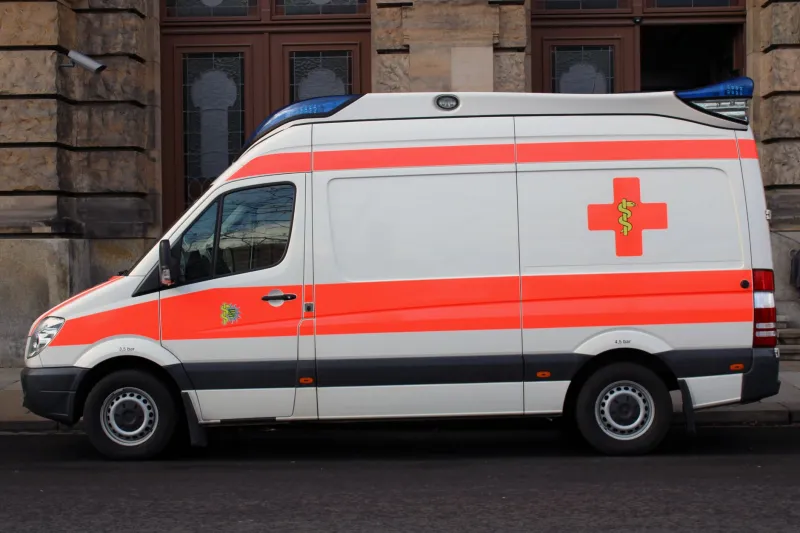
What most people don't realize is that all of those things — and quite a few more — can now be handled curbside, without you ever sitting under fluorescent lights next to a stack of outdated magazines.
Mobile healthcare has quietly expanded its scope over the past several years, and the list of treatable conditions is longer than you'd expect. Here's a rundown of seven common health issues that a curbside or at-home provider can manage, plus the honest truth about when you still need to escalate to an ER.
1. Minor Cuts, Lacerations, and Wounds
What's going on: You sliced your hand chopping vegetables, caught your leg on a fence, or took a nasty tumble on a city sidewalk. The bleeding has slowed, but the wound is deep enough that you're not sure it'll close on its own.
What to expect curbside: A mobile provider can clean the wound thoroughly, assess the depth, and close it with sutures, surgical glue, or Steri-Strips depending on the location and severity. They'll also evaluate your tetanus status and provide aftercare instructions.
When to go to the ER instead: If the bleeding won't stop, the wound is extremely deep or gaping wide, you can see tissue beneath the skin, or the injury involved a high-pressure impact (like a power tool), head to an emergency department immediately.
2. Urinary Tract Infections (UTIs)
What's going on: That burning, urgent, miserable feeling is almost certainly a UTI — one of the most common bacterial infections in the US, affecting millions of people every year, particularly women.
What to expect curbside: Mobile providers carry urine dipstick tests and can often confirm a UTI diagnosis on the spot. From there, they can prescribe a course of antibiotics electronically, sent directly to your preferred pharmacy. You're looking at a visit that takes about 20 minutes.
When to go to the ER instead: If you have fever, chills, back or flank pain, nausea, or vomiting alongside your UTI symptoms, you may have a kidney infection (pyelonephritis) — which requires more aggressive treatment and possibly IV antibiotics. That's an ER situation.
3. Flu, Strep, and Respiratory Illness
What's going on: Your throat is on fire, your body aches, and you feel like you've been hit by a bus. Classic flu or strep presentation — and the last thing you want to do is spread it around a packed waiting room.
What to expect curbside: Rapid strep and flu tests can be completed in 10–15 minutes. If you test positive for strep, an antibiotic prescription is on its way. Flu treatment options, including antivirals like Tamiflu, can be discussed and prescribed if you're within the right treatment window. The whole visit can happen from your doorstep or car.
When to go to the ER instead: Difficulty breathing, persistent chest pain, confusion, or lips turning blue are red flags for serious respiratory complications. Those symptoms require emergency evaluation.
4. Allergic Reactions (Mild to Moderate)
What's going on: You ate something questionable, got stung by a bee, or tried a new skincare product — and now you've got hives, itching, or mild swelling.
What to expect curbside: For mild to moderate allergic reactions, a mobile provider can administer antihistamines, oral or injectable steroids, and monitor your response. They can also advise on follow-up care and help you determine whether allergy testing makes sense.
When to go to the ER instead: Anaphylaxis is a life-threatening emergency. If you experience throat swelling, difficulty swallowing or breathing, a drop in blood pressure, or dizziness, call 911 immediately. Do not wait for a curbside provider.
5. Dehydration and IV Hydration Therapy
What's going on: Whether it's a stomach bug, a brutal summer workout, a long flight, or a rough night out, dehydration can hit fast and feel awful. Headache, fatigue, dizziness, and dry mouth are the calling cards.
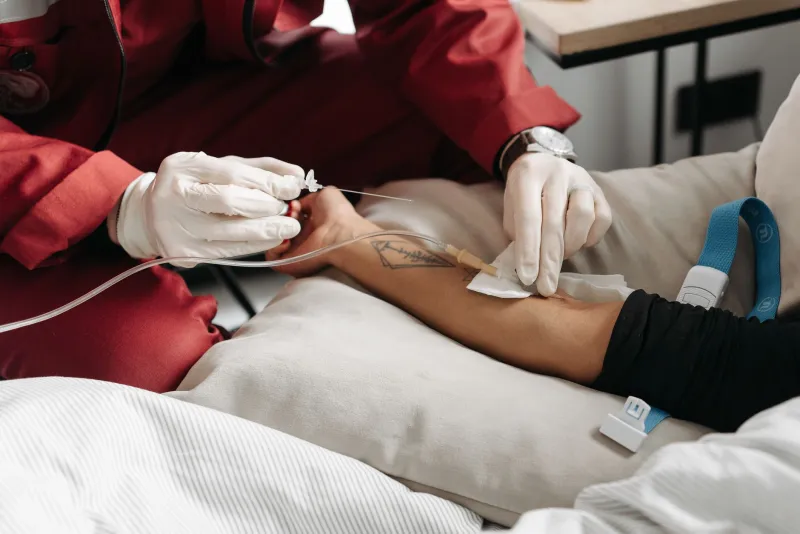
What to expect curbside: This is one of the most popular mobile health services in urban areas right now. A provider can set up an IV line and deliver a saline drip — sometimes with added electrolytes, anti-nausea medication, or vitamins — in about 30 to 45 minutes. Many people report feeling dramatically better before the bag is even finished.
When to go to the ER instead: Severe dehydration with confusion, rapid heartbeat, sunken eyes, or no urination for eight or more hours needs hospital-level intervention. Similarly, if a child under two is showing signs of dehydration, seek emergency care.
6. Skin Infections and Rashes
What's going on: A red, warm, swollen patch of skin that's spreading. A rash you can't identify. A bug bite that looks angrier than it should. Skin infections like cellulitis are more common than people think — and they're very treatable when caught early.
What to expect curbside: A mobile provider can visually assess the area, potentially take a wound culture if needed, and prescribe oral antibiotics. They can also help identify whether a rash is contact dermatitis, an allergic response, or something that needs a dermatologist's eye.
When to go to the ER instead: If red streaking extends from the infection site (a sign of spreading infection), you have a high fever, or the area is rapidly worsening, those are signs that IV antibiotics and hospital monitoring may be necessary.
7. Flu Shots, Vaccines, and Preventive Screenings
What's going on: It's not always about being sick. Sometimes you just need your annual flu shot, a travel vaccine, a blood pressure check, or a cholesterol screening — and scheduling a doctor's appointment for something that takes five minutes feels like overkill.
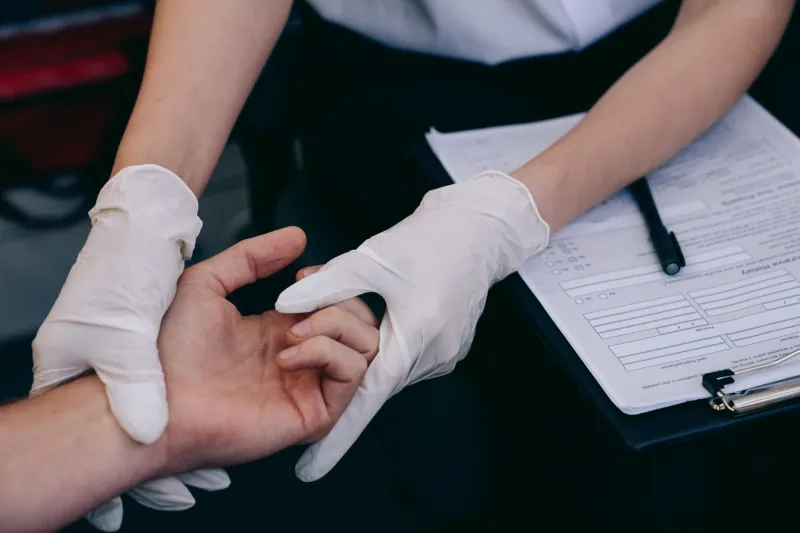
What to expect curbside: Mobile clinics are increasingly offering preventive services on a walk-up or appointment basis. Flu vaccines, COVID boosters, blood pressure monitoring, blood glucose checks, and basic lab draws are all fair game. Some providers even do workplace pop-ups for companies looking to support employee wellness.
When to go to the ER instead: Preventive care is, by definition, not an emergency. But if a screening reveals something alarming — an extremely high blood pressure reading, for example — a responsible mobile provider will refer you to the appropriate level of care immediately.
The Bottom Line
Curbside care isn't about replacing the medical system. It's about filling in the very real gaps that leave people suffering through manageable conditions longer than they should — or skipping care entirely because getting it feels too inconvenient.
Knowing what your mobile provider can handle puts you in a better position to make smart, fast decisions when something goes sideways. And knowing when to escalate? That knowledge might be the most important thing on this whole list.