Your Doctor Is Now Parked Outside: How Mobile Urgent Care Is Changing City Life
Imagine finishing a morning meeting in Midtown Manhattan, noticing your ear has been throbbing for two days, and getting it looked at — right there on the block — during your lunch break. No waiting room. No insurance paperwork shuffle. Just a medical provider, a well-equipped van, and fifteen minutes of your time.
 Photo: Midtown Manhattan, via renaissance.events
That's not a fantasy anymore. It's Tuesday in 2025.
Mobile and curbside urgent care services have been quietly reshaping how Americans in dense urban areas access medical attention. From Chicago's South Side to the streets of Los Angeles, on-demand clinics are meeting patients where they live, work, and commute — and the ripple effects are being felt all the way into hospital emergency departments.
 Photo: Los Angeles, via upload.wikimedia.org
The Problem With Traditional Urgent Care (That Nobody Talks About)
Urgent care centers were supposed to be the answer to overcrowded ERs. And for a while, they helped. But anyone who's sat in a waiting room for two hours with a sprained ankle surrounded by coughing strangers knows the system has its cracks.
According to data from the American College of Emergency Physicians, ER wait times in major US cities routinely exceed three to four hours for non-life-threatening conditions. Meanwhile, roughly 27% of all ER visits could have been appropriately handled in an outpatient setting — and that number climbs when you factor in people who delay care entirely because getting to a clinic feels like too much work.
For busy urban residents juggling jobs, childcare, and commutes, "too much work" is a very real barrier. Mobile urgent care is built specifically to tear that barrier down.
What's Actually Rolling Up to the Curb
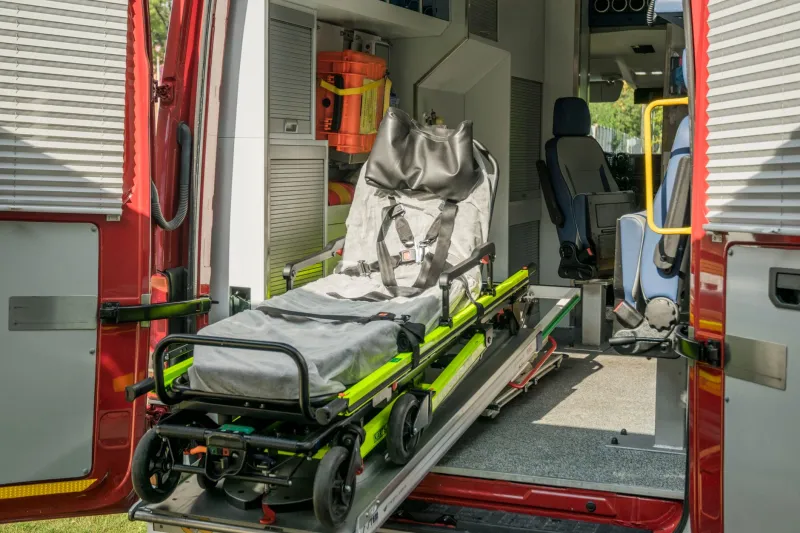
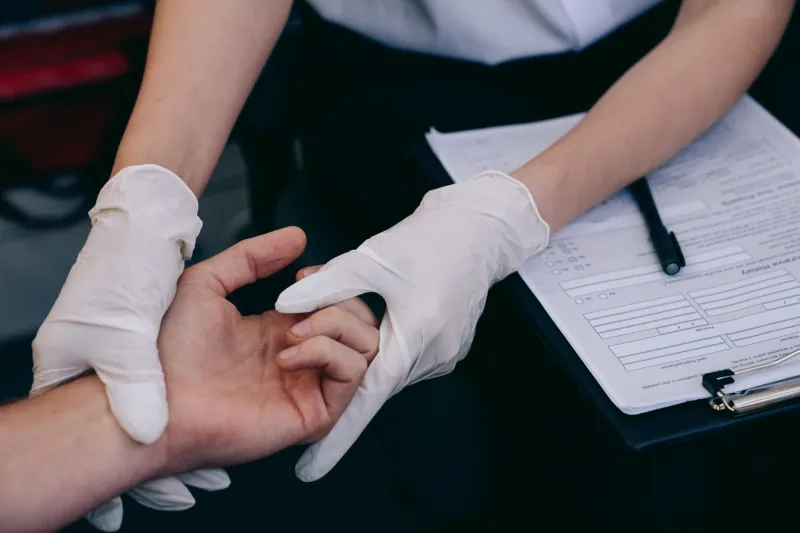
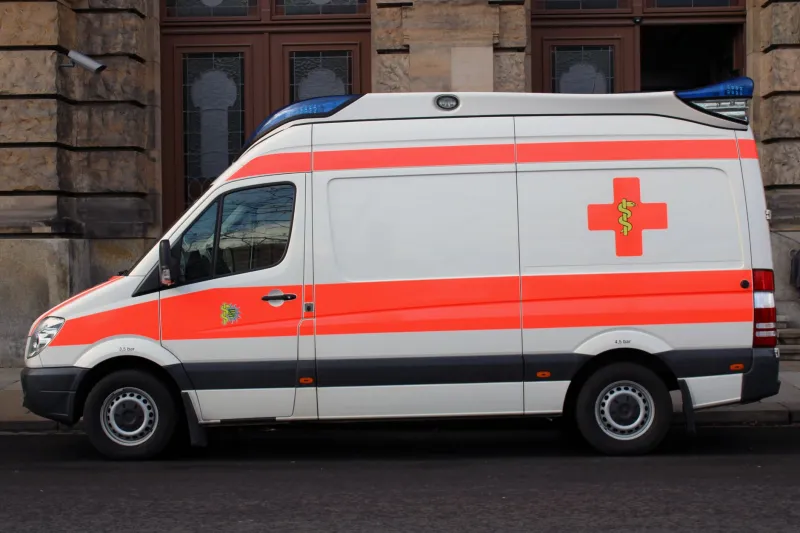
Think of mobile urgent care as a clinic that eliminated its real estate overhead and used the savings to come to you. These aren't ambulances. They're fully outfitted medical units staffed by licensed nurse practitioners, physician assistants, or physicians — equipped with diagnostic tools, point-of-care testing, and a surprising range of treatment capabilities.
Common services offered curbside include:
- Strep and flu testing with rapid results
- Wound care and minor laceration treatment
- UTI diagnosis and antibiotic prescriptions
- Blood pressure checks and EKG monitoring
- IV hydration and vitamin infusions
- COVID and respiratory illness evaluation
- Occupational health screenings
Some providers have even expanded into chronic disease check-ins, travel health consultations, and sports injury assessments. The scope is broader than most people expect.
Real People, Real Stories
Take Marcus, a 38-year-old project manager in Houston. Last spring, he developed a deep cut on his forearm during a weekend home renovation project. His options were a 45-minute drive to the nearest urgent care, a four-hour ER wait, or a mobile clinic he'd spotted advertised through a neighborhood app.
"They were literally three blocks away," he said. "Pulled up, cleaned it out, glued it shut, and I was back home in under 30 minutes. I didn't even have to move my car."
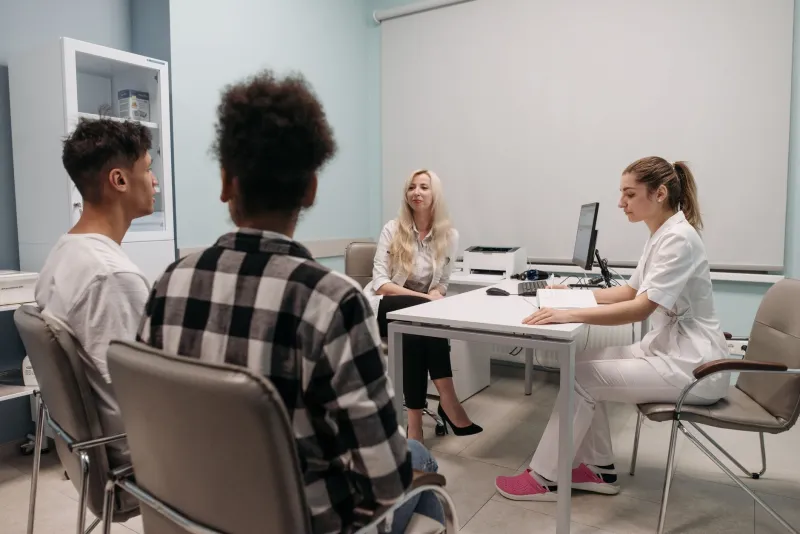
Or consider Diana, a 52-year-old teacher in Denver who manages Type 2 diabetes. Her primary care doctor is great — but fully booked for weeks at a time. When she noticed unusual swelling in her feet before a school break, she used a curbside service to get labs drawn and a same-day consultation. The provider flagged a medication interaction and coordinated directly with her PCP.
"It didn't replace my regular doctor," Diana emphasized. "It filled a gap that would have otherwise sent me to the ER."
The Cost Conversation
Let's talk dollars, because that matters enormously for most American families.
The average ER visit for a non-emergency condition runs between $1,200 and $2,000 before insurance. Traditional urgent care brings that down to roughly $100–$250 out-of-pocket for insured patients. Mobile urgent care visits typically land in the $75–$175 range, with many providers now accepting major insurance plans — and some offering transparent flat-rate pricing for the uninsured.
That pricing model matters in cities with high concentrations of gig workers, freelancers, and part-time employees who often lack comprehensive coverage. Accessible pricing isn't just a perk — it's a genuine equity issue.
What Curbside Care Can't (and Shouldn't) Handle
Here's where we need to be honest. Mobile urgent care is genuinely impressive, but it has real limits — and knowing those limits could save your life.
If you're experiencing chest pain, signs of stroke, severe allergic reactions, difficulty breathing, or any trauma involving significant blood loss, you need an emergency room. Full stop. Curbside care is not a substitute for emergency medicine, and no reputable mobile provider will pretend otherwise.
The sweet spot for mobile care is everything that sits between "I can walk this off" and "call 911" — the vast middle ground of medical needs that deserve professional attention but don't require a hospital bed.
The Bigger Picture: Unclogging the System
Here's something that often gets overlooked in the convenience conversation: when mobile clinics absorb non-emergency cases, it frees up ER resources for people who genuinely need them.
A 2023 study published in the Journal of Emergency Medicine found that community-based urgent care models reduced unnecessary ER utilization by up to 18% in pilot urban areas. That's not a small number. It translates to shorter wait times for heart attack patients, more available trauma beds, and less burnout among emergency department staff.
Mobile care isn't just good for the person on the curb. It's good for the entire healthcare ecosystem around them.
The Road Ahead
The mobile urgent care industry is growing fast. Venture-backed startups, hospital systems testing hybrid models, and independent providers are all competing for space in this market. Cities like New York, Chicago, LA, and Atlanta have seen notable expansions in the past two years alone.
That growth brings both opportunity and responsibility. As the model scales, questions around quality standards, provider licensing reciprocity across state lines, and insurance parity will need real answers.
But right now, in this moment, if you're standing on a sidewalk in a major American city with a health concern that's been nagging at you for days — there's a decent chance that a qualified medical provider is closer than you think.
Sometimes the best waiting room is no waiting room at all.