The Doctor Is Parked Outside: How Mobile Urgent Care Is Rewriting the Rules of City Medicine
Picture this: It's a Tuesday morning in Chicago. You've got back-to-back meetings, your kid has a fever of 101, and the nearest urgent care clinic has a two-hour wait posted on its website. Six years ago, your only real options were to gut it out, call in sick, or sit in that waiting room scrolling your phone until your name was called.
Today, a third option exists — and it might just be parked around the corner.
Mobile urgent care is having a genuine moment in American cities. From Los Angeles to New York, Denver to Atlanta, on-demand medical services are showing up where patients actually are: at their homes, offices, parks, and yes, right at the curb. It's not a gimmick. It's a structural shift in how a growing number of Americans are accessing the care they need.
What Exactly Is a Mobile or Curbside Clinic?
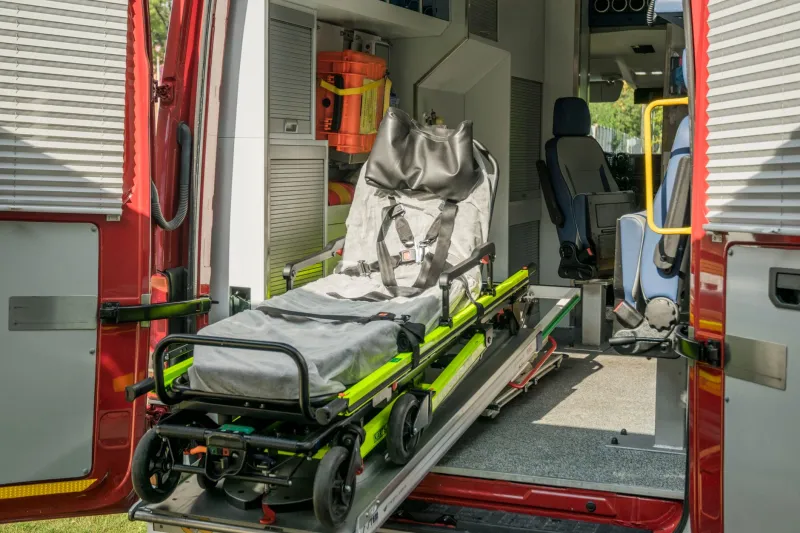
The terminology can get a little blurry, so let's clear it up. A mobile clinic typically refers to a fully equipped medical vehicle — think a retrofitted van or trailer — staffed by licensed clinicians who travel to patients. A curbside clinic is a broader concept that can include pop-up care stations, parking lot health units, or even telehealth-assisted home visits where a provider brings equipment directly to you.
Both models share a core philosophy: the patient shouldn't have to navigate the healthcare system — the system should come to them.
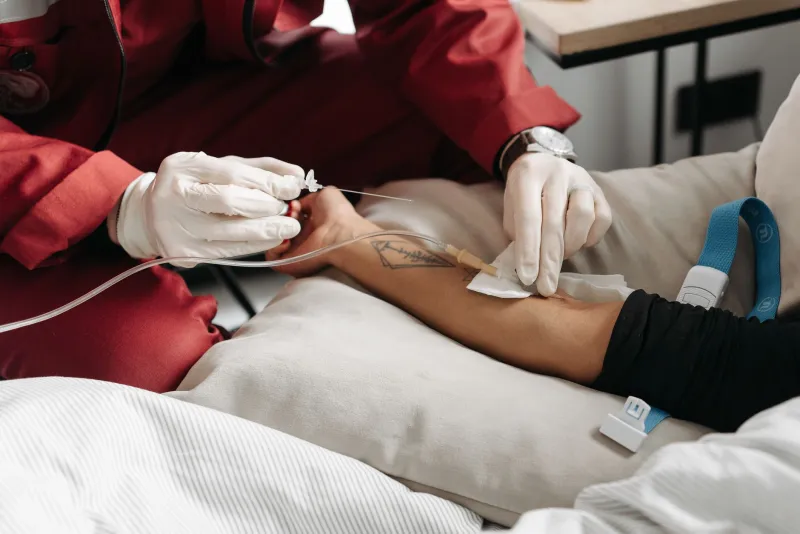
Services vary by provider, but most mobile and curbside setups can handle a solid range of non-emergency medical needs: strep and flu testing, minor wound care, UTI treatment, blood pressure checks, vaccinations, and more. Some urban providers have expanded significantly into IV hydration therapy, sports injury assessment, STI screening, and even basic mental health check-ins.
The Access Gap Nobody Talks About Enough
Here's the thing about traditional urgent care: it was already a major improvement over the ER for non-emergency issues. But even urgent care has friction. You still have to travel there, find parking (good luck in Manhattan), check in, wait, see someone, and travel back. For a healthy adult with a flexible schedule, that's an inconvenience. For a single parent, a person with mobility limitations, or someone working two jobs, it can be an outright barrier.
According to a 2023 survey by the Kaiser Family Foundation, roughly 30% of American adults reported skipping or delaying medical care in the past year due to cost or logistical challenges. In urban areas, transportation and time constraints ranked among the top reasons — even among people who had insurance.
Mobile care is directly chipping away at that number.
Take the example of community health organizations in cities like Houston and Philadelphia that have deployed mobile units specifically in neighborhoods with limited clinic access. These aren't luxury services — they're filling real voids. In some cases, they're the first point of medical contact for residents who haven't seen a provider in years.
Real People, Real Situations
The story of mobile urgent care isn't just about technology or logistics. It's about the people it's actually helping.
Consider a scenario that plays out constantly in cities like Seattle or Boston: a remote worker develops a sinus infection on a Wednesday, dreads the idea of spending a morning at an urgent care center, and ends up pushing through it for two weeks until it becomes something that genuinely requires antibiotics and more aggressive treatment. A mobile clinic visit on day three could have cost them less time, less money, and a lot less suffering.
Parents of young children are another group that mobile care was practically designed for. Getting a sick toddler dressed, into a car seat, through a parking lot, and into a waiting room full of other sick kids is its own kind of ordeal. Having a clinician come to your apartment building lobby or even your front door changes the entire calculus.
And for elderly patients or those with chronic conditions that make travel difficult, the value isn't just convenience — it's genuine healthcare equity.
What Does It Actually Cost?
This is where a lot of people pump the brakes, and it's a fair concern. Here's the honest breakdown:
A typical urgent care visit in the US runs anywhere from $100 to $200 out of pocket without insurance, and even with insurance, copays and facility fees can add up. Mobile clinic visits vary widely by provider and service type, but many fall in a comparable range — sometimes slightly higher for the convenience factor, sometimes lower because mobile operations have reduced overhead compared to brick-and-mortar facilities.
Many mobile providers now accept major insurance plans, including some Medicaid and Medicare coverage depending on the state. Some employers in large metro areas have started partnering with mobile health companies to offer on-site or near-site care as a workplace benefit, which can reduce or eliminate out-of-pocket costs entirely for employees.
The real cost comparison, though, should include the indirect costs of traditional care: time off work, transportation, childcare during the visit, and the downstream cost of delayed treatment turning a minor issue into a major one. When you factor all of that in, mobile care starts looking like a genuinely competitive option for a lot of people.
Is This the Future of Primary Care?
Healthcare policy experts are cautiously optimistic — and the emphasis is on cautiously. Mobile care is not a replacement for comprehensive primary care relationships, specialist access, or emergency services. Clinicians who work in the mobile space are often the first to say that.
What it is, increasingly, is a smart front-line layer of the healthcare system. Think of it as the urgent care model, evolved. It meets patients where they are — literally — and handles the kinds of acute, time-sensitive issues that don't need a hospital but also shouldn't wait three weeks for a primary care appointment.
For cities especially, where density creates both demand and logistical complexity, the mobile model makes a lot of structural sense. The question isn't really whether it belongs in the healthcare ecosystem. It already does. The question is how quickly infrastructure, insurance frameworks, and regulatory environments catch up to where patients are already heading.
What to Look For in a Mobile Provider
If you're considering a mobile or curbside clinic for the first time, a few things are worth checking:
- Licensure: Make sure the provider and any clinicians are licensed in your state.
- Scope of service: Know what they can and can't treat before booking.
- Insurance compatibility: Ask upfront whether your plan is accepted.
- Follow-up care: A good mobile provider will connect you to ongoing care if your situation needs it — not just treat and disappear.
The waiting room isn't going anywhere. But for a growing number of city dwellers, it's becoming optional — and that's a genuinely good thing for American healthcare.