Never Been to a Mobile Clinic? Here's Exactly What Happens Step by Step
Never Been to a Mobile Clinic? Here's Exactly What Happens Step by Step
Let's be honest — the first time you hear "there's a medical clinic parked outside your building," your brain does a double-take. Is it legit? Is it private? Will there actually be real equipment in there, or just a blood pressure cuff and some Band-Aids?
Those questions are completely fair. Mobile urgent care is still relatively new to a lot of people, and unfamiliar things tend to feel uncertain even when they're genuinely good. So let's walk through the whole experience, from the moment you step outside to the moment you walk back in with a treatment plan in hand. No vague reassurances — just the actual sequence of events.
Step One: Checking In (Yes, It's That Easy)
Most mobile clinics let you check in before you even leave your desk. That usually means booking a time slot through an app or website, or sometimes just texting a number posted on the clinic's signage. You'll enter some basic information — your name, date of birth, reason for the visit, and insurance details if applicable.
By the time you walk up to the vehicle, the care team already knows you're coming. There's no clipboard waiting for you, no stack of forms, and no front desk with a line of people ahead of you. You show up, confirm your identity, and you're in. The whole check-in process often takes less time than waiting for an elevator.
If you don't have insurance or prefer to pay out of pocket, that's handled right here too. Many mobile clinics are upfront about pricing, which is a welcome change from the traditional system where costs feel like a mystery until weeks later.
Step Two: Stepping Inside — What the Space Actually Looks Like
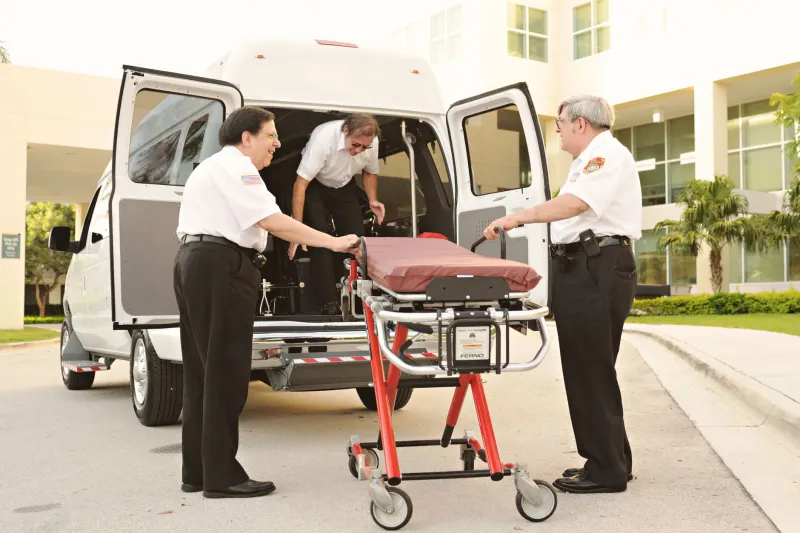
Here's where a lot of first-timers are pleasantly caught off guard. Mobile urgent care units aren't cramped or makeshift. Modern clinic vehicles are purpose-built medical spaces — clean, organized, and equipped with the kind of tools you'd find in a brick-and-mortar urgent care facility.
Expect an exam area with a padded table or chair, good lighting, and enough room for a provider and a patient to have a real conversation without feeling like you're crammed into a closet. The space is private. Nobody outside can hear what you're saying. Nobody's walking through mid-appointment. It's genuinely clinical — just smaller and on wheels.
You might notice diagnostic equipment like a pulse oximeter, blood pressure monitor, otoscope (that's the little light tool for looking in your ears), and sometimes a portable EKG machine or point-of-care lab testing device. The setup varies by provider, but the goal is always the same: give you a complete picture of what's going on without sending you somewhere else.
Step Three: Meeting Your Provider
The clinician who sees you — typically a nurse practitioner, physician assistant, or physician — will introduce themselves and ask you to walk them through what's been happening. This part isn't rushed. You'll have a few minutes to explain your symptoms, how long they've been going on, and anything you've already tried.
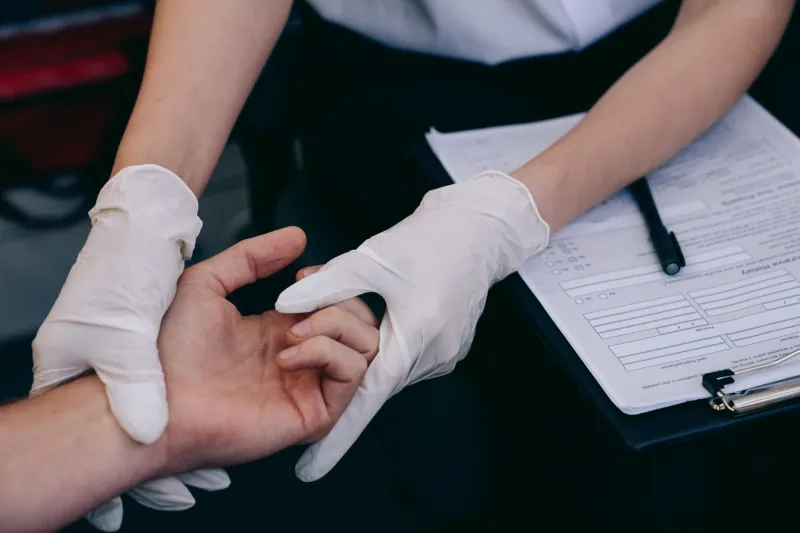
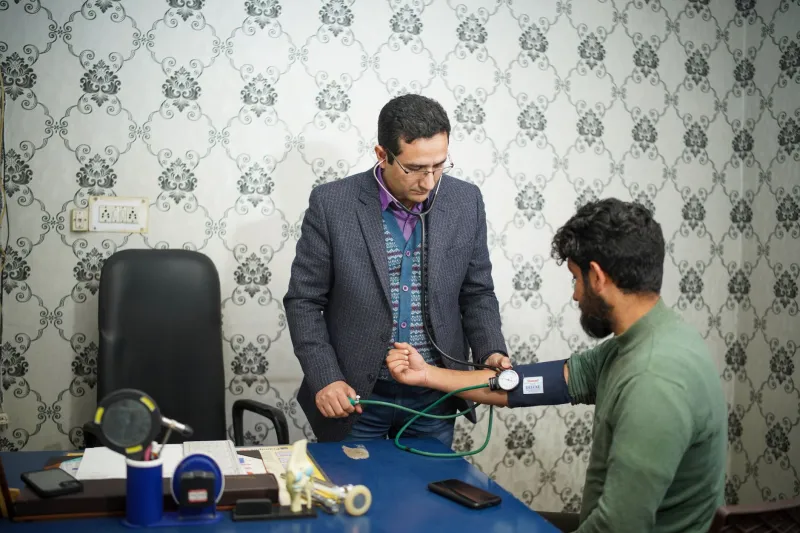
They'll take your vitals, do a physical exam relevant to your complaint, and ask follow-up questions. It feels like a regular doctor's visit because it functionally is one. The main difference is the zip code.
One thing patients often notice: the conversational tone tends to be a little more relaxed than a traditional office visit. There's no sense that the provider has seventeen other patients waiting. The visit is focused on you.
Step Four: Diagnostics on the Spot
Depending on what you came in for, your provider may run a quick test right there. Rapid strep tests, flu swabs, urinalysis, blood glucose checks — these are all common and can typically be completed within minutes using portable equipment.
If something more complex is needed, like imaging or a blood panel that requires a full lab, your provider will give you a referral and make sure you understand the next step. Mobile clinics are honest about their scope. They're built to handle a wide range of acute and common conditions efficiently, and when something falls outside that range, they'll tell you clearly and point you in the right direction.
Step Five: The Diagnosis and Your Treatment Plan
Once your provider has a clear picture, they'll explain what they think is going on in plain language. Not jargon-heavy medical speak — actual plain language. What the condition is, why it's causing your symptoms, and what the options are for treating it.
If a prescription is warranted, it gets sent electronically to the pharmacy of your choice. If you're in a city, there's a good chance that pharmacy can have it ready before you're back at your desk. Some mobile clinics even carry a limited formulary of common medications on board, so you can walk away with what you need immediately.
You'll also get discharge instructions — written, not just verbal — so you're not trying to remember everything the provider said while you're already thinking about your next meeting.
Step Six: Follow-Up Isn't an Afterthought
One hesitation people have about mobile care is the follow-up question: "What if things get worse? Who do I call?" It's a reasonable concern, and good mobile providers address it directly before you leave.
You'll typically get a contact number or patient portal access so you can reach someone if symptoms change or you have questions about your medication. If your condition warrants a follow-up visit, they'll tell you that too — and whether a return mobile visit makes sense or if you should see a specialist.
The visit doesn't end when you step back onto the sidewalk. You leave with a clear plan, contact information, and documentation of your visit that can be shared with your primary care provider if needed.
The Bigger Picture
Mobile urgent care isn't trying to replace your regular doctor or the ER. It's filling a specific gap — the moments when something comes up during the day and you genuinely can't afford to spend three hours in a waiting room. A sinus infection on a Tuesday. A sprained wrist at noon. An ear infection your kid woke up with.
For those situations, knowing what to expect makes all the difference. The care is real. The equipment is real. The provider is licensed and qualified. And the whole thing happens in a fraction of the time it would take to drive across town.
So the next time you see a clinic vehicle parked outside your building, you don't have to wonder what happens in there. Now you know.