When the City Shuts Down, the Clinic Keeps Moving
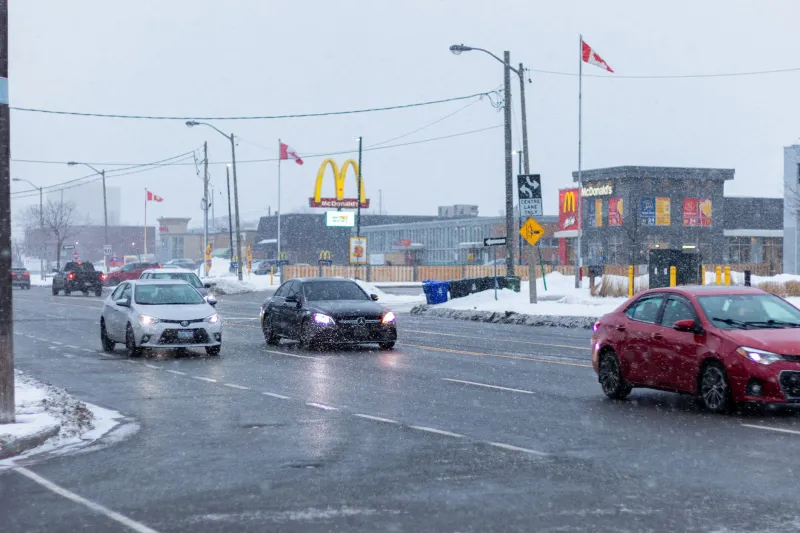
There's a particular kind of chaos that descends on a city during a major weather event. Schools close. Offices go dark. Half the businesses in town flip their signs to "Sorry, we're closed." And somewhere in that shuffle, quietly and without much fanfare, a lot of people who needed medical attention today suddenly have nowhere to go.
This is the part of extreme weather nobody talks about enough: the healthcare gap it creates.
When a nor'easter dumps two feet of snow on Boston, or a brutal heat dome settles over Phoenix for a week straight, the people who most need medical care are often the least able to access it. Elderly residents can't drive. Public transit shuts down or runs skeleton schedules. Urgent care clinics close because staff can't get in. And the ERs that do stay open get slammed with everything from frostbite to heat stroke — on top of all their usual cases.
Mobile urgent care units are starting to fill that gap. And the more you learn about how they operate during crises, the harder it becomes to think of them as anything other than essential infrastructure.
The Day the Clinics Closed — But the Van Didn't
During Winter Storm Elliott in late 2022 — one of the most intense winter weather events in recent US history — large swaths of the country experienced dangerous wind chills and road conditions that forced many outpatient clinics and urgent care offices to temporarily suspend operations. For patients managing chronic conditions, dealing with acute illnesses, or in need of prescription refills, those closures weren't just inconvenient. They were genuinely dangerous.
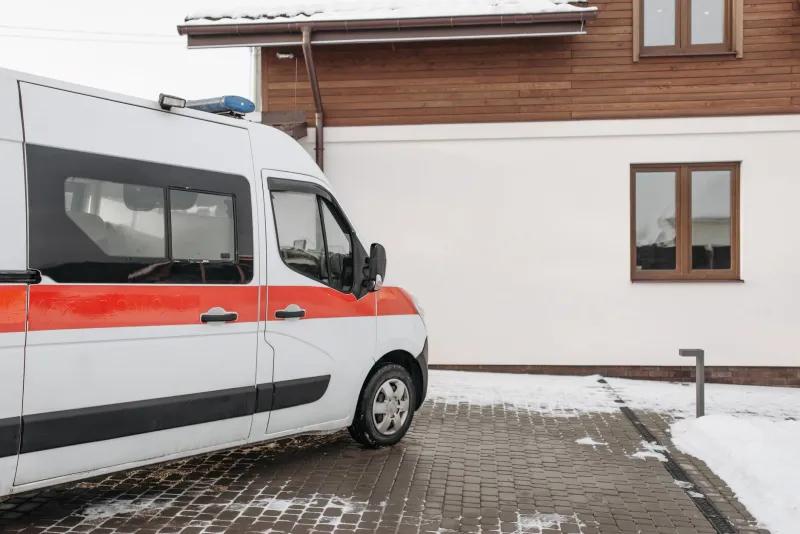
Mobile health units, by contrast, are built for exactly this kind of disruption. Their operational model doesn't depend on patients being able to drive somewhere. The care goes to the patient — to shelters, community centers, senior living facilities, or even specific neighborhoods where vulnerable populations are concentrated. When roads are impassable for a standard car, a properly equipped mobile unit with experienced staff can still make targeted deployments to where the need is highest.
That's not a minor logistical detail. That's a fundamentally different philosophy about what healthcare delivery should look like.
Heat Is the Quiet Killer — And the ERs Know It
Winter storms are dramatic. Heat waves are sneaky.
Extreme heat is now the leading weather-related cause of death in the United States, according to the CDC. During a prolonged heat emergency — the kind that's becoming more common across the Sun Belt and even in northern cities that historically didn't need to plan for them — emergency rooms get overwhelmed fast. Heat exhaustion and heat stroke cases pile up. Elderly patients and people without air conditioning become critically vulnerable over days, not hours.
This is where mobile clinics can do something an ER simply cannot: go proactive. Rather than waiting for heat stroke patients to arrive in an ambulance, a mobile unit can station itself in a high-risk neighborhood — near a park, outside a senior center, in a low-income residential area with aging housing stock — and catch people before they deteriorate. Early intervention for heat exhaustion is fast, relatively simple, and dramatically reduces the chance someone ends up in critical condition.
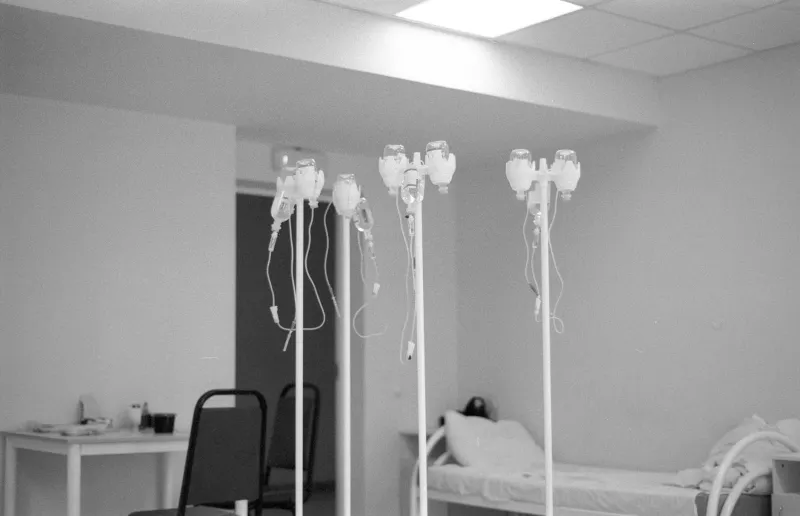
A few IV fluids, a cool environment, a brief evaluation — that's often all it takes when you catch someone early enough. Mobile clinics can deliver that. And during a heat emergency, that kind of distributed, neighborhood-level response can take real pressure off hospital systems that are already stretched.
The Logistics Nobody Sees
It would be easy to romanticize this — the heroic van showing up in the storm. The reality is messier and more interesting.
Keeping a mobile clinic operational during extreme weather requires serious logistical preparation. Fuel reserves need to be maintained. Staff deployment plans have to account for road conditions and team safety. Supplies — medications, testing materials, PPE — have to be stocked in advance, because resupply chains can break down during disasters. Communication systems need redundancy, because cell towers sometimes fail during major events.
The teams that run mobile urgent care units learn to think like emergency managers, not just clinicians. They track weather forecasts days out. They coordinate with local emergency management offices, community organizations, and social service agencies to identify where the highest concentrations of need will be. They pre-position vehicles.
This is what resilience actually looks like in practice — not just showing up, but showing up prepared.
Public Health Emergencies Are a Different Animal
Weather isn't the only thing that breaks the traditional healthcare system. Public health emergencies do it too — and the COVID-19 pandemic was the starkest demonstration of that in living memory.
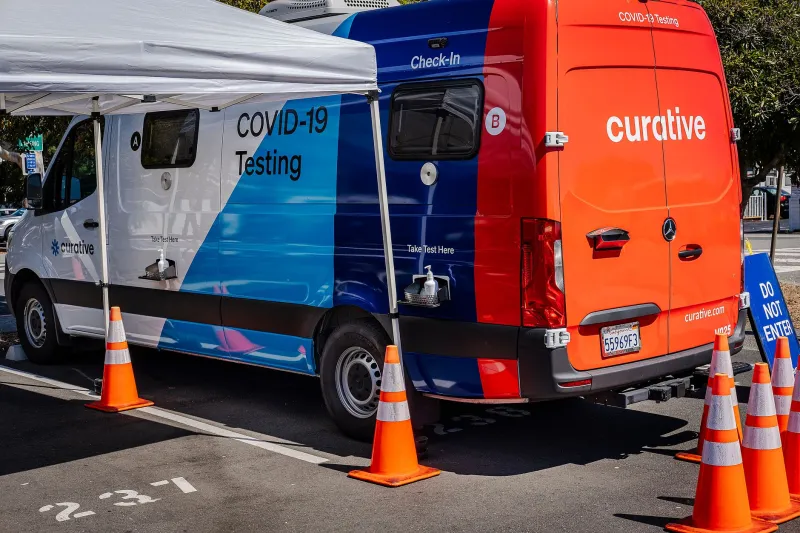
When brick-and-mortar clinics were limiting in-person visits, when patients were afraid to sit in waiting rooms, when the healthcare system was simultaneously overwhelmed and inaccessible depending on where you looked — mobile units stepped into critical roles. Testing. Vaccination distribution. Chronic disease management for patients who couldn't safely enter a clinic. Behavioral health check-ins for people who were struggling in isolation.
The pandemic didn't create mobile healthcare. But it made visible something that advocates had been arguing for years: a healthcare system that relies entirely on fixed-location facilities is fragile. It has single points of failure. It doesn't bend well.
Mobile care, almost by definition, is more resilient. It distributes the risk. It doesn't require patients to come to care — which means when something prevents them from doing so, the system doesn't just stop.
What Cities Should Actually Be Doing
Here's the honest part: most American cities are not treating mobile healthcare as infrastructure. They're treating it as a supplement — a nice-to-have that some health systems and nonprofits run, often on grant funding that can disappear.
That needs to change.
Cities invest heavily in emergency response infrastructure — fire stations, ambulances, emergency shelters, backup power systems. Mobile healthcare units deserve a place in that planning conversation. They should be part of municipal emergency management frameworks. They should have guaranteed deployment protocols during declared weather emergencies. There should be coordination systems that connect mobile units with the same real-time data that guides other emergency responders.
Some cities are starting to get there. But most aren't.
The Clinic That Doesn't Have a Door to Lock
There's something worth sitting with here. When a traditional urgent care clinic closes during a snowstorm, it's not making a bad decision — it's making a reasonable one based on how it was built to operate. You can't run a facility if your staff can't get there.
But mobile care reframes the whole question. The staff and the facility travel together. The clinic doesn't have a door to lock because it doesn't have a fixed address to abandon.
For the patient who woke up with a 103-degree fever on the day the city shut down, that distinction isn't academic. It's the difference between getting care and not getting care.
That's the case for mobile healthcare as resilience infrastructure — not made in a policy white paper, but in the specific, human moment when someone needed help and the clinic was already on its way.