When the Doctor Comes to the Job Site: Inside the Employer Push to Park Healthcare at Work

The New Company Perk Nobody Saw Coming
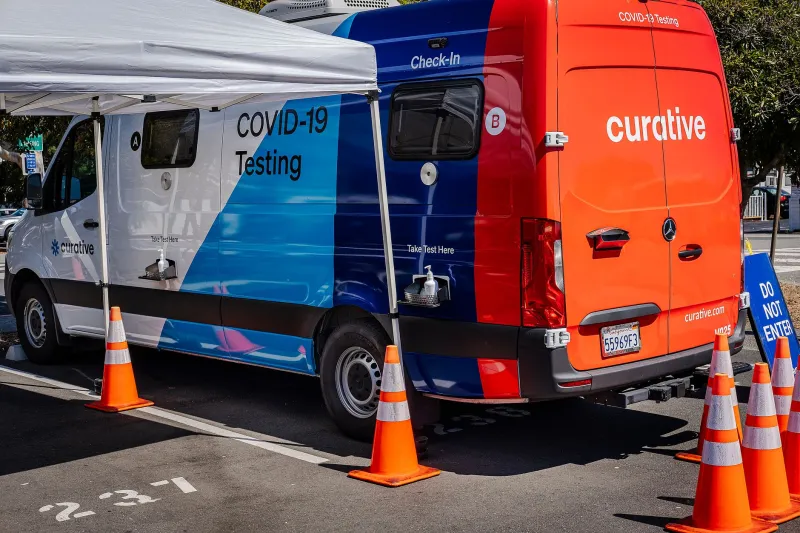
Forget the ping-pong table. A growing number of employers are offering something that actually matters: a mobile clinic parked outside the building on a Tuesday afternoon, ready to see you between meetings.
It sounds almost too convenient to be real. But from construction yards in Texas to corporate campuses in the Bay Area, companies are quietly striking deals with mobile urgent care providers to bring routine health services directly to their workers. The pitch is simple — less time away from the job, fewer sick days, healthier employees. The reality is a little more complicated, and a lot more interesting.
The Business Case Is Hard to Argue With
Let's start with the numbers, because employers certainly are. The CDC estimates that productivity losses linked to absenteeism cost U.S. employers roughly $1,685 per employee per year. Multiply that across a workforce of even a few hundred people, and you're looking at a significant drag on the bottom line.
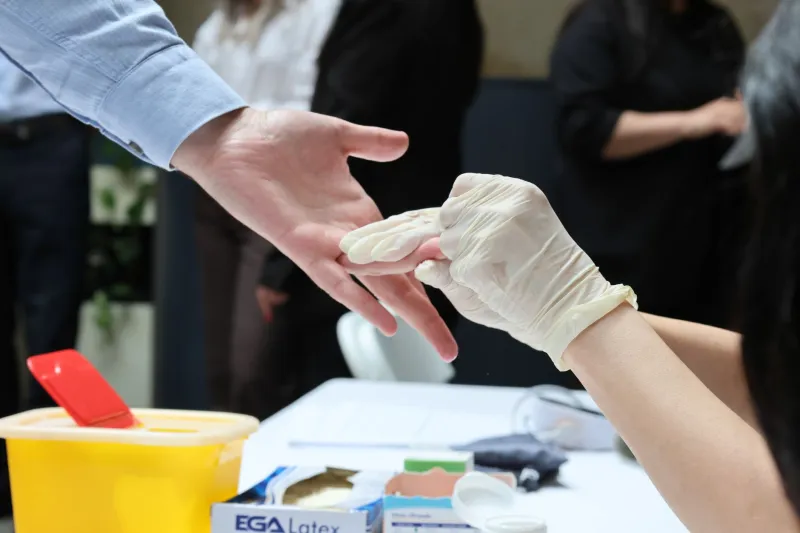
Mobile clinics chip away at that problem from multiple angles. When a worker can get a blood pressure check, a flu shot, or a strep test during a 30-minute lunch break, they're far less likely to take a full day off to sit in an urgent care waiting room — or, worse, ignore the problem entirely until it becomes something serious.
For industries like construction, manufacturing, and warehousing, where physical health directly affects on-site safety, the stakes are even higher. A worker who's managing uncontrolled hypertension or ignoring a nagging injury is a liability risk, not just a health concern. Bringing care to the job site lowers the barrier to getting checked out before small issues become big ones.
On the insurance side, employers who self-insure or contribute to employee health plans have a direct financial interest in keeping their workforce out of the ER. Preventive screenings and early interventions — exactly the kind of care a mobile clinic delivers — are far cheaper than emergency visits or specialist referrals down the line.
Who's Actually Doing This?
The industries leading this shift might surprise you.
Construction companies were early adopters, partly out of necessity. Workers at large project sites are often hours from the nearest clinic, and stopping work to drive someone to an appointment isn't just inconvenient — it's expensive. Mobile medical units that can pull up to a job trailer and handle everything from wound care to occupational health screenings have become a genuine operational asset.
Tech companies, which have long competed on the strength of their benefits packages, are folding mobile clinic partnerships into their wellness programs. Some are scheduling quarterly on-site health fairs that go well beyond the usual cholesterol finger-prick — we're talking full metabolic panels, vision checks, and mental health check-ins.
Even mid-sized logistics and retail operations are getting in on it, particularly post-pandemic, when the connection between employee health and operational continuity became impossible to ignore. If your warehouse runs on 200 people and 40 of them are out sick in the same week, you feel it immediately.
The Employee Side of the Equation
Here's where it gets a little more nuanced.
For a lot of workers, especially those without great insurance or flexible schedules, an employer-sponsored mobile clinic visit is genuinely life-changing. It removes every friction point at once: no time off needed, no transportation hassle, no co-pay anxiety. For hourly workers in particular — people who literally cannot afford to take unpaid time to go to a doctor — this kind of access is meaningful in a way that's hard to overstate.
But not everyone feels purely enthusiastic about their boss being involved in their healthcare, even tangentially.
Privacy is the big one. Employees want to know: who sees their results? Is their employer getting any information about what they were seen for? The answer, legally, is that HIPAA protections apply regardless of who funded the visit — your employer cannot access your individual medical records without your explicit consent. But that doesn't mean workers automatically trust the arrangement, and frankly, that skepticism is reasonable.
There's also the question of whether participation is truly voluntary. If the mobile clinic shows up every quarter and your manager is visibly tracking who signs up, the line between "offered" and "expected" can blur pretty quickly. Workers in more hierarchical environments — manufacturing floors, call centers, large retail operations — may feel subtle pressure to participate even if it's technically optional.
A well-run employer program makes the voluntary nature crystal clear, keeps all medical information strictly between the patient and the provider, and never uses health data in any employment-related decision. The best ones also bring in third-party mobile health providers specifically so there's no organizational overlap between the care team and the HR department.
What a Good Program Actually Looks Like
The difference between a mobile clinic partnership that workers appreciate and one that makes them uncomfortable usually comes down to design and communication.
Companies that get it right tend to do a few things consistently:
- They let employees opt in, not opt out. Participation is never assumed or required.
- They use independent providers. A third-party mobile clinic creates a clear separation between care and employer oversight.
- They communicate transparently. Workers know exactly what services are available, what information stays private, and what (if anything) the employer receives — typically only aggregate, de-identified data about overall utilization.
- They offer a range of services. The best programs go beyond the basics and include mental health screenings, chronic disease management support, and referrals to specialists when needed.
- They schedule around shifts, not just office hours. A mobile clinic that only shows up from 9 to 5 isn't much help to the night crew.
The Bigger Picture
There's something worth acknowledging here beyond the ROI spreadsheets and the privacy debates: we have a healthcare system that's genuinely hard to access for a huge portion of working Americans. Long hours, limited PTO, high out-of-pocket costs, and geographic barriers all stack up in ways that make routine care feel out of reach.
Employer-sponsored mobile clinics don't fix that system. But they do create a workaround that, when done thoughtfully, gets real care to real people who might otherwise go without it. That's not nothing.
The model works best when employers treat it as a genuine investment in their people — not a productivity optimization tool dressed up in wellness language. Workers can tell the difference. And when they feel like their company actually gives a damn about their health, the goodwill that generates tends to outlast any single clinic visit.
So yes, the doctor might be parked in your company lot next Thursday. Whether that feels like a perk or a pressure point probably depends a lot on how your employer handles it — and how honest they're willing to be about why they're doing it.