Your Next Checkup Might Happen in the Company Parking Lot — And That's Actually a Good Thing
Your Next Checkup Might Happen in the Company Parking Lot — And That's Actually a Good Thing
For years, the corporate wellness program was a running joke. A folding table in the break room, a bowl of apples nobody touched, and a laminated flyer about "mindful breathing" taped next to the coffee machine. Employees smiled politely and went back to their desks. Nothing changed.
But something genuinely different is happening now — and it's pulling into the parking lot.
A growing number of employers across the country are partnering with mobile healthcare providers to bring real medical services directly to their worksites. Not pamphlets. Not step-count challenges. We're talking blood pressure checks, cholesterol panels, glucose screenings, flu shots, and basic physical exams — delivered out of a fully equipped van or mobile clinic unit, parked right outside the office door, during normal business hours.
And unlike the break room fruit bowl, people are actually using it.
Why Companies Are Making the Move
The business case isn't complicated once you look at the numbers. Unaddressed health issues cost US employers an estimated $530 billion annually in lost productivity, absenteeism, and healthcare expenses, according to research from the Integrated Benefits Institute. A surprising chunk of that comes not from catastrophic illness, but from conditions that could have been caught early — high blood pressure, pre-diabetes, elevated cholesterol — things a basic screening can flag before they become a major problem.
When you make it hard for employees to get preventive care (and let's be honest, the traditional system makes it pretty hard), you end up paying for it later. Mobile screenings flip that equation. Instead of waiting for workers to find time, schedule an appointment, commute to a clinic, and sit in a waiting room, employers bring the care to the people.
HR professionals who've adopted this model describe it as one of the highest-engagement wellness initiatives they've ever offered. Participation rates for on-site mobile screenings routinely outperform traditional employee health programs by a wide margin — some companies report that workers who never once attended an annual wellness fair will walk out to the parking lot on their lunch break without hesitation.
The reason is almost embarrassingly simple: it's easy.
What Actually Happens Out There
If you've never done one of these visits, the experience is more clinical and less carnival-ish than you might expect.
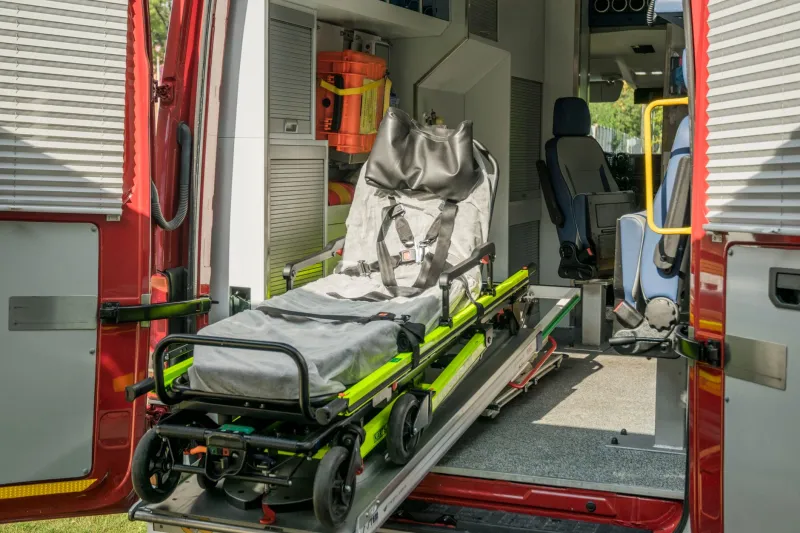
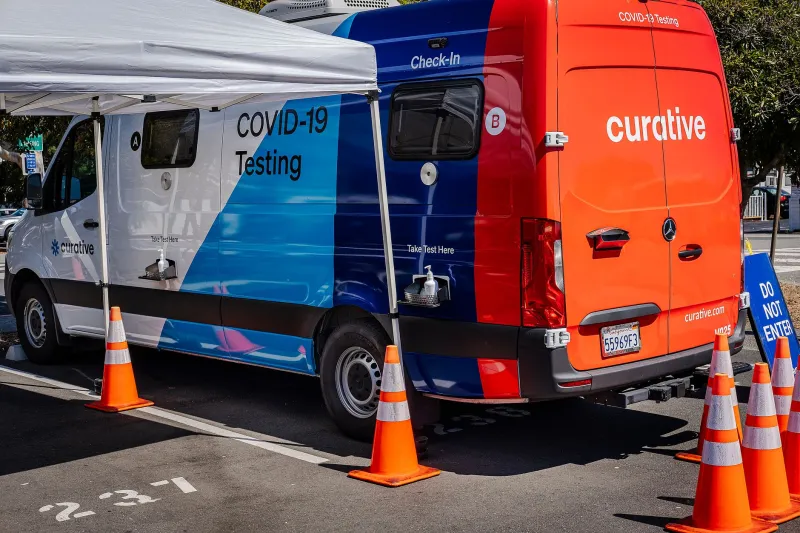
A typical corporate mobile clinic setup involves a vehicle — often a converted sprinter van or a larger trailer unit — that arrives at the worksite in the morning and stays for several hours. Inside, there's a private exam area, basic diagnostic equipment, and one or more licensed clinicians. Employees sign up for time slots in advance through a simple online portal, usually booking something like a 20-minute window.
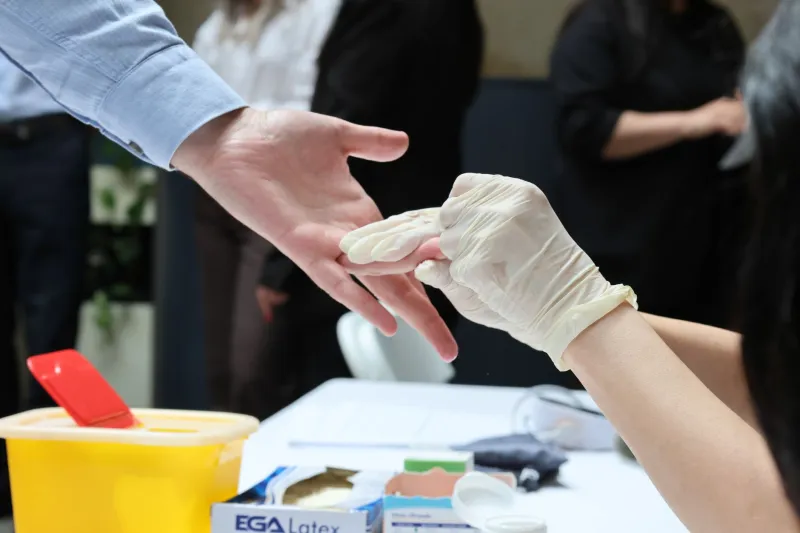
You walk out on your break or lunch hour, check in, and within a few minutes you're getting your blood pressure taken, discussing your numbers with an actual healthcare provider, and leaving with a printed summary of your results. If something looks off, the clinician can refer you to follow-up care and sometimes even connect you with your primary care provider directly.
Flu shot days work similarly — except even faster. Some employers report processing over 100 vaccinations in a single afternoon without anyone leaving the building for more than ten minutes.
The privacy piece matters too. These aren't open-air screenings where your coworkers can watch you get your blood drawn. The vehicles are set up to ensure confidentiality, and most programs are structured so that employers only receive aggregate data — not individual results.
Why Workers Are Actually Embracing This
Ask employees why they're willing to step outside for a mobile health visit when they've historically ignored every other wellness initiative their company has thrown at them, and the answer is usually some version of the same thing: this one doesn't require me to rearrange my life.
The friction of traditional preventive care is real. Getting a physical means calling a doctor's office, waiting days or weeks for an appointment, taking time off work, driving somewhere, parking, waiting again, and then driving back. For a 45-minute checkup, many people burn half a workday. For hourly workers or people without paid sick leave, that's not just inconvenient — it's financially punishing.
Mobile screenings eliminate almost all of that. The commute is a 90-second walk. The wait is minimal. You're back at your desk before your coffee gets cold. That's not a small thing. That's the entire reason people skip preventive care in the first place.
There's also a psychological dimension worth noting. Seeing a healthcare provider in your own environment — a place you already feel comfortable — lowers the anxiety that keeps some people from seeking care at all. For workers who find traditional clinical settings stressful, the casual setting of a workplace screening can make a real difference.
What This Trend Reveals About American Healthcare
The rise of the parking lot physical is part of a broader shift in how Americans are thinking about when and where medical care should happen. The idea that healthcare is something you go to — a fixed location, a scheduled appointment, a formal institution — is losing its grip.
Mobile urgent care has already proven that people will engage with healthcare services when those services come to them rather than demanding they come to it. Employers are now applying the same logic to preventive and occupational health.
What's interesting is who's driving this. It's not just the big tech companies with elaborate campuses and generous benefits budgets. Warehouse operators, logistics companies, manufacturing facilities, and mid-sized office employers are all experimenting with mobile health partnerships. In industries where workers are less likely to have flexible schedules or robust health benefits, on-site screenings may represent one of the only realistic opportunities some employees have to get preventive care at all.
That's a significant equity angle that doesn't get enough attention in conversations about workplace wellness.
The Limits — and the Potential
To be fair, a parking lot screening isn't a substitute for a comprehensive relationship with a primary care physician. It won't catch everything, and it isn't designed to. What it can do is identify red flags, get people vaccinated, reduce the backlog of basic preventive care that millions of Americans are quietly carrying around, and create a low-stakes entry point for workers who might otherwise never engage with the healthcare system at all.
The employers who seem to get the most out of these programs are the ones who treat them as a gateway rather than a destination — using the screenings to connect employees with ongoing care, not just checking a wellness box.
Done right, the parking lot physical isn't a gimmick. It's a practical, low-friction solution to a very real problem: the gap between the care people need and the care they actually get.
And honestly? It's a lot more useful than a bowl of apples.