60 Minutes, Zero Days Off: The Rise of the Lunchtime Medical Visit
It's 12:07 PM on a Tuesday. You've got a meeting at 1:30, a half-eaten granola bar on your desk, and a nagging feeling that the thing on your arm you've been ignoring for two weeks probably needs a second opinion. You don't have a primary care appointment until March. You're not sick enough for the ER. And honestly? You're not taking a personal day for this.
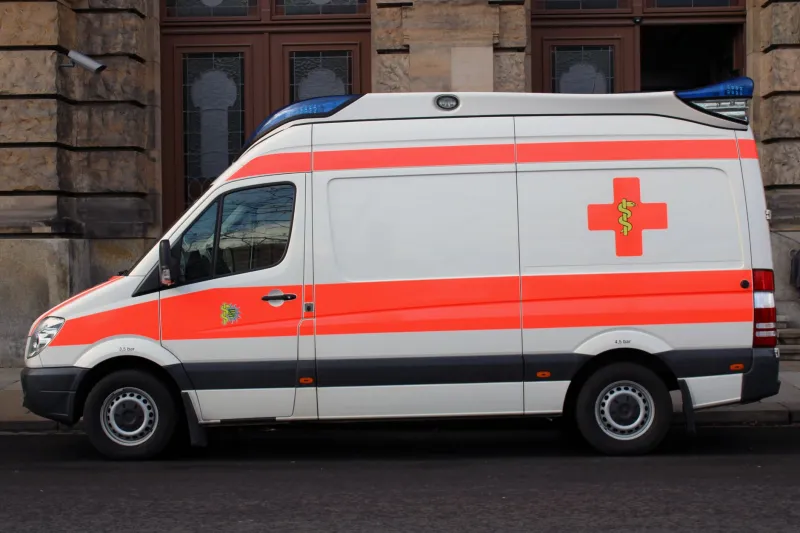
So you grab your jacket, walk two blocks, and let a clinician take a look — right there, parked on the corner near your office building. You're back at your desk before your coffee gets cold.
This isn't a fantasy. For a growing number of urban professionals, this is just... Tuesday.
Why the Lunch Hour Is Having a Healthcare Moment
The traditional model of seeing a doctor has always had a scheduling problem. You call, you wait three weeks, you take a half-day, you sit in a waiting room reading a magazine from 2019, you get five minutes with a provider, and you go home. For a lot of working adults — especially those without flexible hours or generous PTO — that math just doesn't add up.
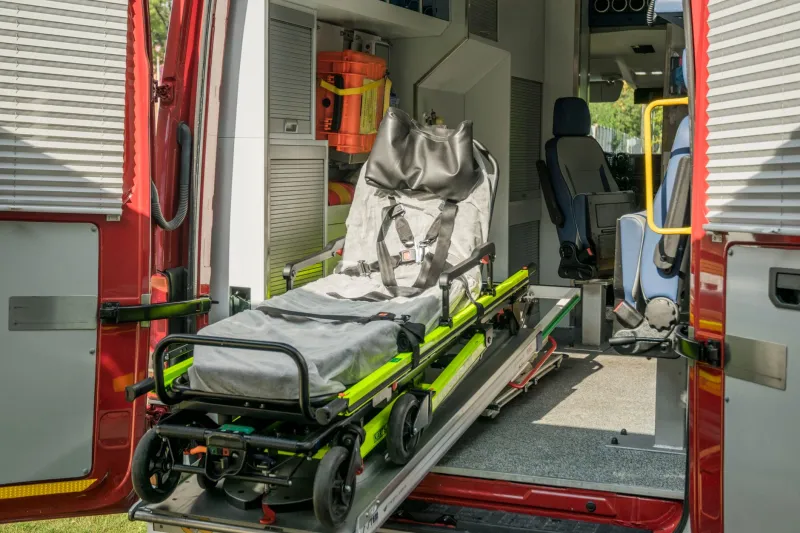
Mobile and curbside urgent care flips the equation. Instead of you traveling to healthcare, healthcare parks itself in the middle of your day. Clinics on wheels are now showing up near office districts, transit hubs, corporate campuses, and busy commercial corridors in cities across the country. The pitch is simple: get in, get seen, get back to your life.
And people are biting. A 2023 survey from the American Academy of Family Physicians found that convenience — not cost, not insurance — is the number one factor urban adults consider when deciding whether to seek care. Mobile urgent care is essentially convenience made physical.
What Can You Actually Get Done in 60 Minutes?
Here's the honest answer: more than you'd think, but not everything. Let's break it down.
The stuff that's genuinely lunchbreak-friendly:
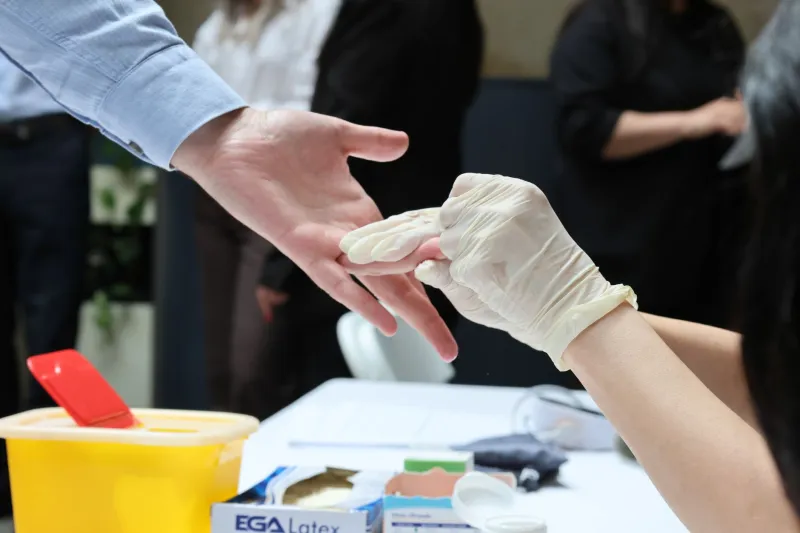
- Blood pressure checks and monitoring. If you've been told to keep an eye on your numbers, a quick check takes five minutes and gives you real data.
- Minor wound care. Cuts, scrapes, or that blister that got infected — cleaned, assessed, and bandaged.
- Sinus infections and respiratory symptoms. A provider can evaluate you, rule out anything serious, and send a prescription to your pharmacy before you're back at your desk.
- UTI evaluation and treatment. Classic symptoms, quick urine test, prescription called in. Done.
- Allergy flare-ups. Seasonal reactions or mild hives are well within curbside territory.
- Flu and COVID testing. Results in minutes, not days.
- Sprains and minor injuries. Rolled your ankle at the gym this morning? A trained clinician can assess range of motion, rule out fractures, and wrap it properly.
- Prescription refills for stable conditions. Running low on a maintenance medication? Some mobile clinics can help bridge the gap.
The through-line here is that these are conditions with clear presentations, low complexity, and straightforward treatment paths. They don't require specialist equipment, extensive history-taking, or follow-up labs.
What still needs a longer appointment:
Not everything can — or should — be squeezed into a lunch break. If you're dealing with a new or worsening chronic condition, mental health concerns, anything requiring imaging or bloodwork with complex interpretation, or symptoms that have been evolving for weeks, you need a proper sit-down with a provider who has your full chart in front of them. Mobile care is a complement to that relationship, not a replacement for it.
Chest pain, severe shortness of breath, signs of stroke, or any symptom that feels urgent-urgent? Skip the curbside van. Go straight to an emergency room.
Making the Most of Your Window
If you're going to do this well, a little prep goes a long way.
Know before you go. Most mobile and curbside clinics have apps or websites where you can check in ahead of time, list your symptoms, and even upload insurance information. Doing this at 11:45 AM means you're not filling out paperwork when you arrive.
Keep your medication list handy. A quick note in your phone with your current prescriptions, dosages, and any allergies saves everyone time and helps the provider give you better care.
Be specific about your symptoms. "I feel off" is hard to work with. "I've had a burning sensation when I urinate for three days and a low-grade fever since yesterday" is actionable. The more precise you are, the faster the visit moves.
Ask about follow-up protocols. A good curbside clinic will send visit notes to your primary care provider, or at minimum give you a summary to take with you. This keeps your health record coherent and prevents gaps in your care history.
Set a realistic expectation for wait times. Even the best-run mobile clinic has busy days. If you're heading out at peak lunch hour (12:00–12:30 PM), build in a small buffer. Checking real-time wait times through an app, if available, can save you from cutting it close.
The Bigger Picture: Healthcare That Fits Real Life
There's something worth naming here. The fact that people are engineering their healthcare into a lunch break isn't just a fun logistical trick — it reflects something real about how disconnected traditional medical access has become from the way people actually live.
When a blood pressure check requires a three-week wait and a half-day out of the office, a lot of people just... don't go. They tell themselves they'll deal with it later. Later turns into months. Months turn into a problem that's now harder to treat.
Mobile and curbside urgent care doesn't solve every gap in the American healthcare system — nobody's claiming that. But it does something important: it lowers the activation energy required to take care of yourself. It puts care in the path of your actual day rather than asking you to rearrange your life around it.
For a 34-year-old account manager who hasn't seen a doctor in two years because "I just don't have time," a van parked outside their office building at noon might be the thing that finally gets them checked out. And that matters.
The Bottom Line
Your lunch break is 60 minutes. That's enough time to eat a sandwich, answer some emails, take a walk — or let a clinician check the thing that's been bothering you for weeks. You don't have to choose between your health and your schedule anymore.
Just maybe eat the sandwich first.