That Curbside Checkup Caught More Than a Cold — Here's What Your Numbers Actually Mean
That Curbside Checkup Caught More Than a Cold — Here's What Your Numbers Actually Mean
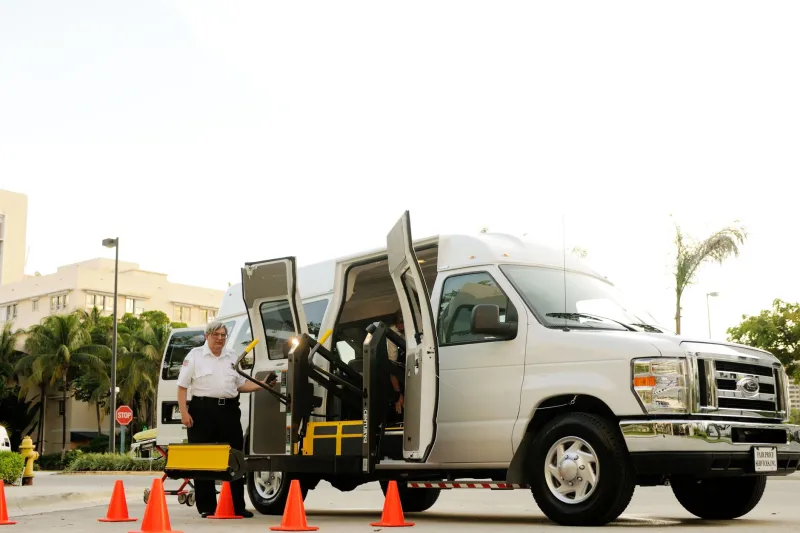
Let's be honest: most of us don't think of a mobile clinic parked outside a grocery store or office building as a place where anything serious gets discovered. It feels casual. You walk up, maybe answer a few questions, get a reading or two, and go on with your day. It doesn't have the sterile gravity of a hospital hallway or the clipboard-heavy formality of a primary care office.
But that casual vibe is a little misleading — because what's actually happening inside that unit is a genuinely substantive medical encounter. And every week, across cities big and small, mobile clinics are flagging conditions that patients had absolutely no idea were brewing.
High blood pressure. Pre-diabetic glucose levels. Early-stage infections. Oxygen saturation that's just a few points too low. These aren't findings you need a hospital for to detect — and yet millions of Americans walk around with them undiagnosed, simply because they never made it to a doctor's office to get checked.
So what exactly is happening when a mobile clinic takes your vitals? And what do those numbers actually mean?
Blood Pressure: The Number Nobody Talks About Until It's a Problem
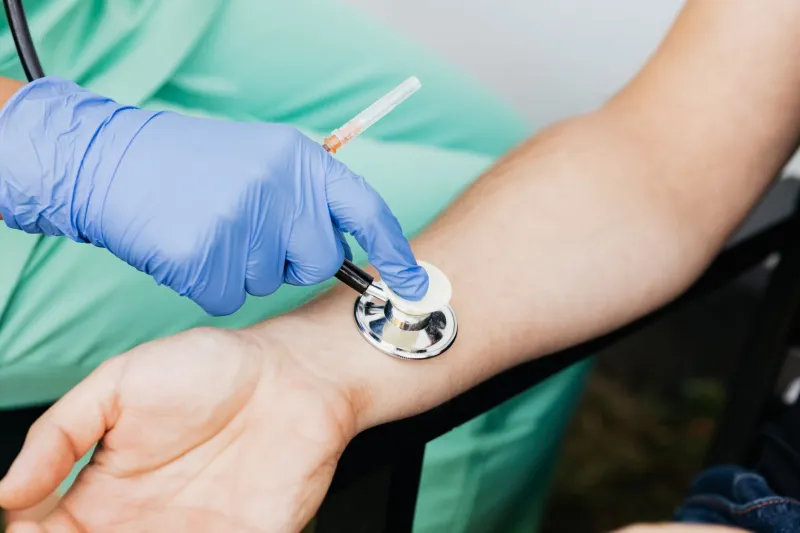
Blood pressure is one of the most commonly measured and most commonly misunderstood readings in medicine. You get two numbers — say, 128 over 84 — and most people nod like they understand and then immediately forget them.
Here's the plain-language breakdown. The top number (systolic) measures the pressure your blood puts on artery walls when your heart beats. The bottom number (diastolic) measures that pressure between beats, when your heart is resting. Normal is generally around 120 over 80 or below. Elevated starts at 120–129 systolic. Stage 1 hypertension kicks in at 130–139 over 80–89. Anything above 140 over 90 is Stage 2.
Why does this matter at a curbside visit? Because hypertension is famously symptom-free. People feel completely fine right up until they don't. A mobile clinic can catch an elevated reading that sends you to your primary care doctor before that number quietly climbs into dangerous territory. That's not a minor service — that's potentially catching a stroke risk years in advance.
Blood Sugar: What a Finger Prick Can Actually Tell You
A lot of mobile units now offer point-of-care glucose testing, which involves a small finger prick and a result in under a minute. If you haven't eaten recently, a fasting glucose reading below 100 mg/dL is considered normal. Between 100 and 125 suggests prediabetes. Above 126 on two separate tests points toward diabetes.
Here's the thing about Type 2 diabetes: the CDC estimates that roughly 1 in 5 Americans who have it don't know they do. And prediabetes? About 80% of people with it are unaware. A quick glucose check during a routine curbside stop can be the moment someone finds out their blood sugar has been creeping up for years.
Mobile clinic staff aren't diagnosing diabetes on the spot — that requires follow-up and confirmatory testing. But they are handing you a number with context, and that context can prompt the kind of conversation with a doctor that genuinely changes the trajectory of your health.
Oxygen Saturation: The Reading That Became Famous During COVID
Pulse oximetry — that little clip that goes on your finger — measures what percentage of your red blood cells are carrying oxygen. Most healthy adults sit between 95% and 100%. Drop below 92%, and it's a signal that something's off with how your lungs or heart are doing their job.
For a lot of patients, this number means very little in isolation. But in context — especially if you've been feeling short of breath, unusually tired, or are recovering from an illness — it becomes a meaningful data point. Mobile clinics use pulse ox readings alongside other vitals to build a quick but real clinical picture of what's going on.
Temperature: More Than Just "Do You Have a Fever?"
Yes, a thermometer is basic. But how that temperature reading fits into the rest of your vitals is where things get interesting. A temperature of 100.4°F or higher technically qualifies as a fever, but the pattern matters too — a low-grade fever that's been hanging around for several days tells a different story than a sudden 102°F spike.
Mobile clinic providers are trained to read temperature alongside heart rate, blood pressure, and reported symptoms. That combination can differentiate between a run-of-the-mill viral infection and something that warrants a closer look or a prescription.
Heart Rate: Fast, Slow, or Irregular — It's All Information
A normal resting heart rate falls between 60 and 100 beats per minute. Too fast (tachycardia) or too slow (bradycardia) can signal anything from dehydration and anxiety to thyroid issues or cardiac arrhythmia. An irregular rhythm detected via pulse can prompt further evaluation.
Mobile clinic providers aren't running EKGs at every stop, but they're trained to notice when a heart rate reading doesn't fit the clinical picture — and to ask the follow-up questions that determine whether you need to be seen more urgently.
Why the "Informal" Setting Doesn't Mean Incomplete Care
There's a real psychological barrier here. We've been conditioned to associate the quality of a medical visit with the formality of its setting. A big building, a waiting room, a doctor in a white coat — these cues signal serious medicine. A van parked next to a Trader Joe's? Less so.
But the diagnostics don't know where they're being run. A blood pressure cuff doesn't care if it's in a hospital wing or a climate-controlled mobile unit. The readings are the same. What changes is the access — who gets to find out their numbers, and when.
For the person who hasn't been to a primary care doctor in three years because they can't take time off work, or the parent who always puts their own health last, or the person who just never got around to scheduling that physical — the curbside stop isn't a lesser option. It's often the only option that actually happens.
What to Do With What You Learn
The goal of a curbside vitals check isn't to replace your primary care relationship. It's to give you real, actionable information you can bring to that relationship — or to motivate you to build one if you don't have it.
If your mobile clinic visit turns up a blood pressure reading that's been sitting undetected at 145 over 92 for who knows how long, that's not a minor data point. That's a reason to follow up. And the fact that you found out in a parking lot instead of an exam room doesn't make it any less real — or any less worth acting on.
The clinic came to you. The numbers are yours. Now you know what to do with them.