No Pharmacy for Miles: Inside the Medication Access Crisis Hitting America's Poorest Zip Codes

The Prescription Nobody Can Fill
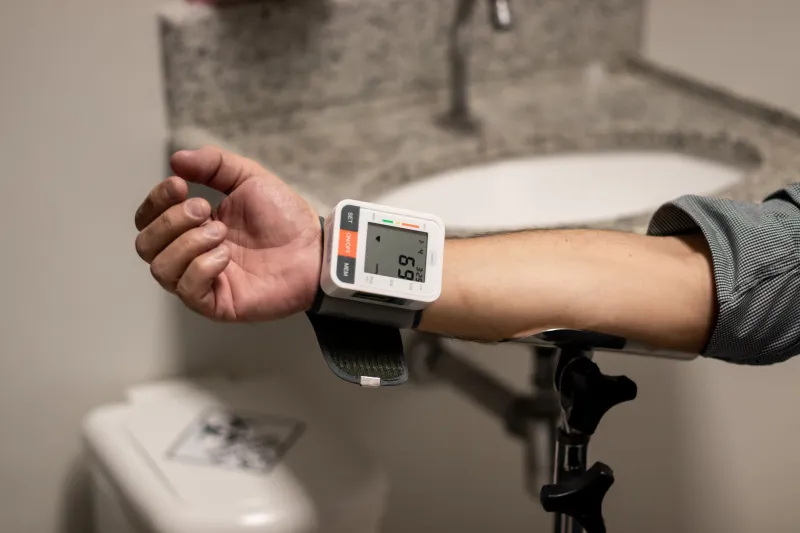
Imagine this: a nurse practitioner at a community health center in a low-income neighborhood on Chicago's South Side hands a patient a prescription for blood pressure medication. The patient has no car. The nearest pharmacy is 3.4 miles away, across two bus routes. By the time she gets home from the clinic, it's past 6 PM. The pharmacy closes at 7. She doesn't make it.
She tries again the next day. And the day after that.
This is what researchers call a pharmacy desert — a census tract where residents have limited or no reasonable access to a retail pharmacy. And according to a 2021 study published in the Journal of the American Pharmacists Association, low-income neighborhoods are disproportionately likely to be pharmacy deserts. In some cities, predominantly Black and Latino zip codes have pharmacy closure rates nearly double those of wealthier, whiter areas.
The cruel irony? Many of those same neighborhoods have more clinics per capita than affluent ones — federally qualified health centers, mobile units, community health workers. They can get a diagnosis. They just can't always get the medication that goes with it.
How the Gap Got This Wide
Pharmacy closures have been accelerating for years, and the trend predates the pandemic. Between 2010 and 2021, more than 30% of independent pharmacies in low-income urban zip codes shut down, according to data from the National Community Pharmacists Association. Chain pharmacies followed, consolidating into higher-traffic, higher-margin locations.
What's left in many neighborhoods? Dollar stores. Corner bodegas. Maybe a Walgreens that's a 45-minute round trip by public transit.
"We've created a two-tiered system where the people who need medications most are the ones who have the hardest time getting them," says Dr. Monica Adesanya, a public health researcher who has studied pharmacy access in underserved communities for over a decade. "And the downstream consequences are enormous — missed doses, worsening chronic conditions, preventable hospitalizations."
Medication non-adherence costs the U.S. healthcare system an estimated $528 billion annually, according to the Annals of Internal Medicine. A significant chunk of that isn't about patients being careless. It's about patients being stranded.
Where Mobile Clinics Come In
Mobile healthcare units have quietly started filling part of this gap — and in some cities, they're doing it with surprising effectiveness.
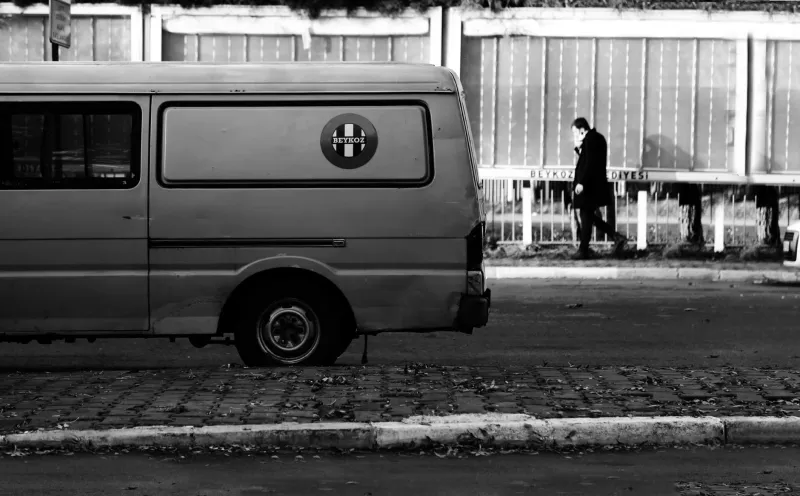
Some mobile urgent care clinics now carry limited formularies of commonly prescribed medications directly on board, dispensing them to patients at the point of care. For common conditions like hypertension, diabetes, respiratory infections, and anxiety, this means a patient can walk away with both a diagnosis and a medication — in the same thirty-minute visit, from the same van, parked two blocks from their apartment.
In Detroit, a mobile clinic program affiliated with a federally qualified health center reported that on-board medication dispensing increased patient adherence rates by nearly 40% among patients with chronic conditions. In Houston, a mobile unit serving uninsured workers began stocking a 30-day supply of generic medications for a flat $10 fee — a workaround that bypassed the pharmacy step entirely for patients who couldn't make the trip.
"When you remove the extra errand, adherence goes up. That's not a theory — we're watching it happen," says James Rutherford, a physician assistant who works on a mobile clinic in Memphis. "People aren't skipping their meds because they don't care. They're skipping them because life is complicated and the system doesn't make it easy."
The Band-Aid Problem
But here's where the conversation gets uncomfortable.
For all the genuine good that on-board medication dispensing does, critics argue that it risks letting policymakers and healthcare systems off the hook for the deeper structural failures that created pharmacy deserts in the first place.
"I love what mobile clinics are doing. I genuinely do," says Dr. Adesanya. "But I worry that every time we find a clever workaround, it reduces the urgency to fix the underlying problem. Pharmacy deserts exist because of decades of disinvestment, zoning decisions, and corporate consolidation. A van can't undo that."
She has a point. Mobile clinics carry limited formularies — they can't stock everything. They can't fill specialty medications. They can't provide the counseling services a pharmacist offers. And they depend on grant funding, nonprofit support, or employer contracts that can evaporate overnight.
There's also a regulatory tangle. In many states, mobile units face restrictions on what medications they can dispense without a licensed pharmacy on-site, which limits their ability to serve as true pharmacy replacements. Navigating these rules is time-consuming and expensive for the organizations running the clinics.
What Would Actually Help
Experts who study this issue tend to agree that mobile clinics are a necessary bridge — but only if policymakers are also building the road.
Specific policy levers that public health advocates are pushing for include:
- Pharmacy desert mapping tied to federal funding decisions, similar to how food deserts inform SNAP policy
- Mail-order medication programs integrated directly into mobile clinic visits, so patients leave with a prescription already submitted and en route
- Expanded scope-of-practice laws allowing mobile clinic providers to dispense a broader range of medications in underserved areas
- Incentives for independent pharmacies to open or remain open in low-income zip codes, modeled on programs that incentivize grocery stores in food deserts
In the meantime, patients in pharmacy deserts are navigating an obstacle course that most Americans never have to think about. The woman in Chicago with the blood pressure prescription? She eventually got her medication — five days after her clinic visit, after a neighbor drove her to a pharmacy in the next neighborhood over.
Her blood pressure that week? Nobody checked.
The Bigger Picture
Mobile healthcare, at its best, meets people where they are — literally and figuratively. When a clinic pulls up to the curb in a neighborhood that hasn't had a pharmacy in six years, it's doing something real and meaningful. But the most honest thing we can say about it is this: it's doing the job that a functioning system should have made unnecessary.
The goal shouldn't be to optimize the workaround. It should be to make the workaround obsolete.